
How to Effectively Prevent Waste Generation: Reuse Centres Under the Microscope
April 24, 2026 / 1:10 PM
Reuse centres are among the most visible and at the same time most practical tools through which cities and municipalities can prevent waste generation. Their basic principle is simple: to give items that would otherwise end up as waste a second life. Furniture, household equipment, sports gear or construction materials can thus serve new users once again. Reuse centres support the circular economy, save natural resources and household expenses, and contribute to social cohesion in cities.
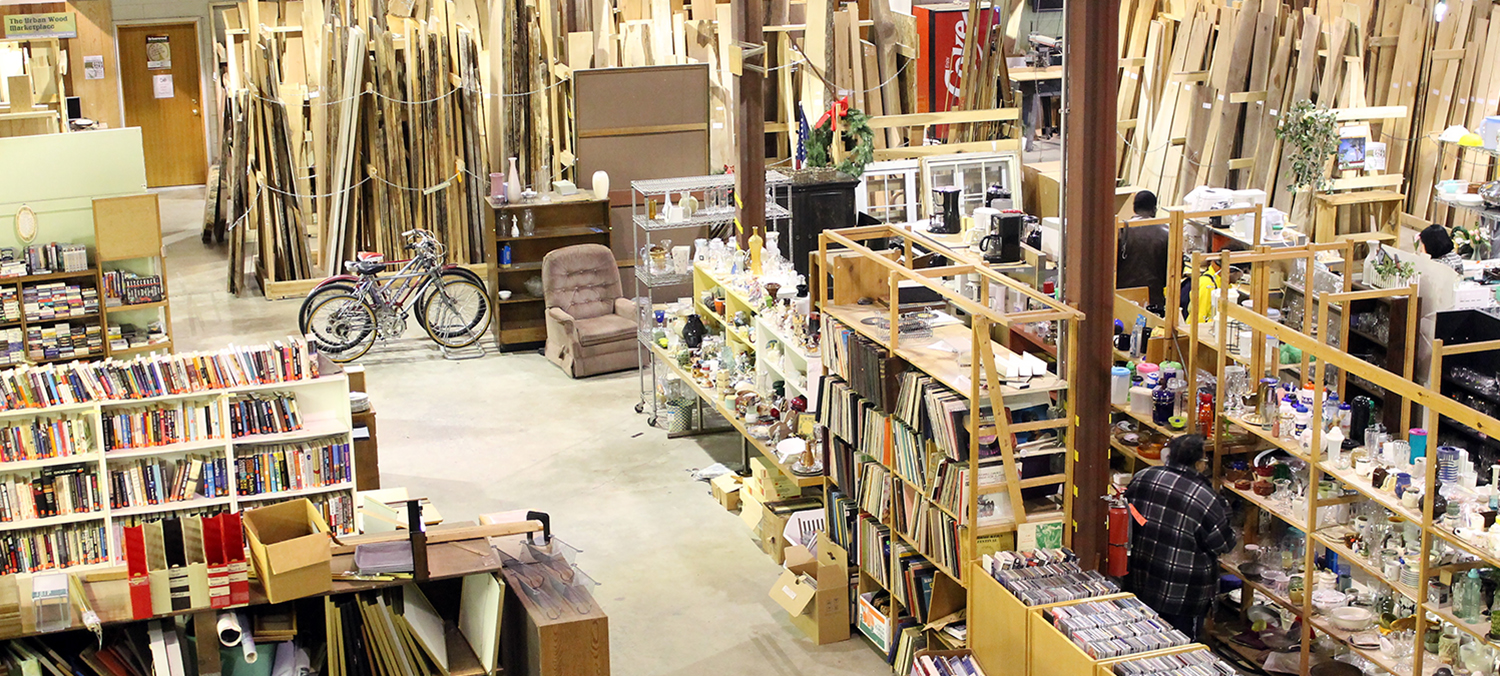
In practice, reuse centres take many different forms – from small operations located within municipal technical services to modern centres situated in shopping zones or community hubs. Some place emphasis on the social dimension, while others focus on environmental innovation, such as links to rainwater management or energy systems. Alongside the reuse of items, the reuse of materials is also becoming increasingly important. Municipal material banks represent another opportunity to reduce waste volumes while supporting local projects and residents.
The programme block “How to Effectively Prevent Waste Generation: Reuse Centres Under the Microscope” (4 June 2026, 11:30–12:30, Stage 1) at the URBIS conference will present an overview of inspiring examples from the Czech Republic and abroad and will open up key topics for the further development of reuse systems. You will learn how to build a functional reuse centre in both small and large cities, how to effectively support the reuse of items and materials, and how local governments can prepare for the introduction of extended producer responsibility (EPR) in the furniture sector. Experiences from Bratislava, Slavičín and Ostrava will be presented, along with new perspectives on the use of material banks. Come and get inspired by concrete solutions that work.
