URBIS 2026 Reinforces Its Position as a Leading Platform for the Development of Cities and Municipalities
June 4, 2026 / 3:32 PM
The URBIS – The Smart Cities Meetup 2026 trade fair, held from June 2 to 4 at the Brno Exhibition Centre, once again confirmed its place among the most important Central European events focused on the future of cities, municipalities, and regions. This year’s edition welcomed 6,000 visitors, 176 exhibitors, and over 200 speakers from the Czech Republic and abroad.
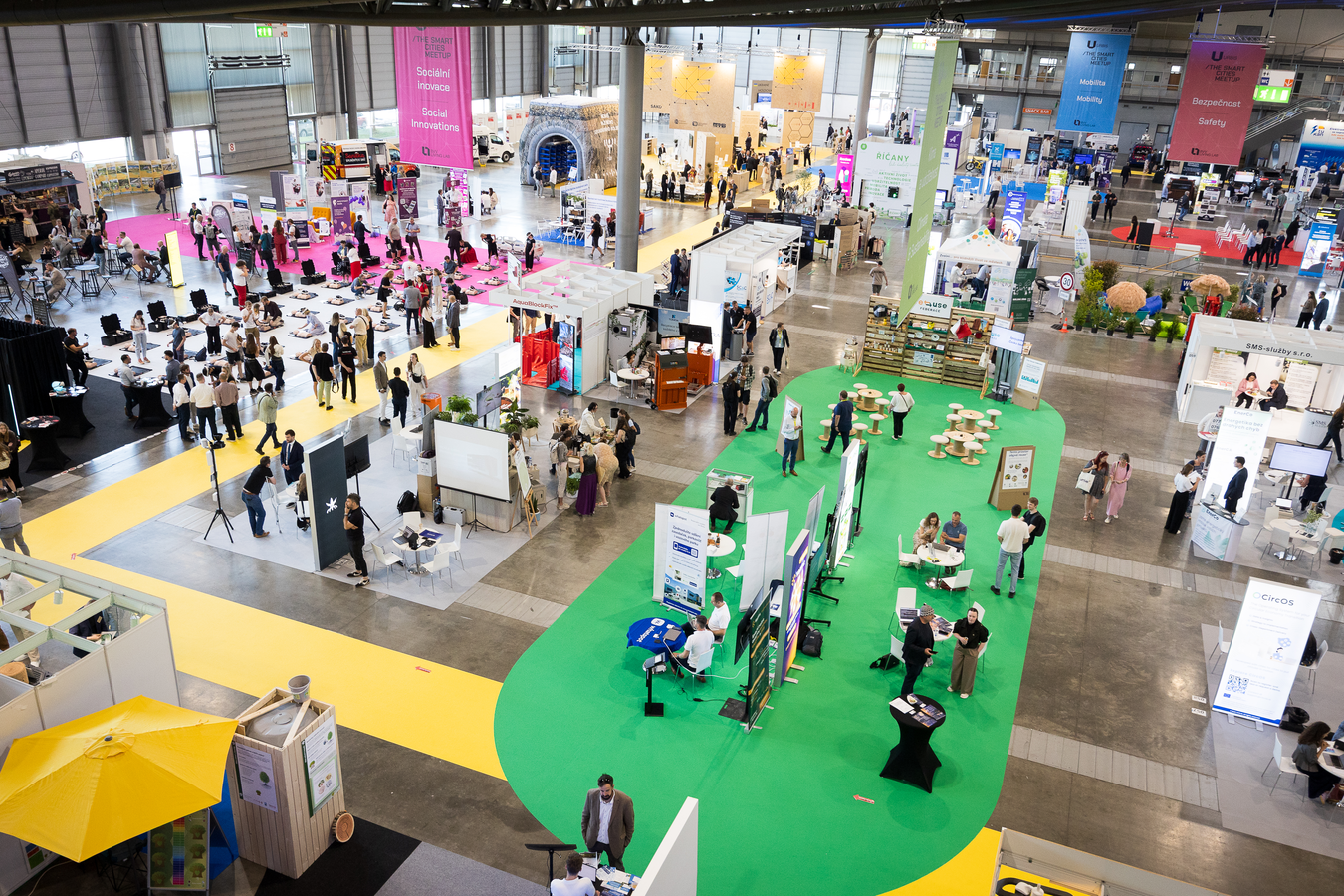
Over the course of three days, Brno became a meeting point for representatives of local and national government, companies, startups, universities, and professional organizations, all working together to address the challenges cities and municipalities will face in the coming years. Key themes included urban resilience, innovation in public administration, digitalization, energy, mobility, security, and sustainability.
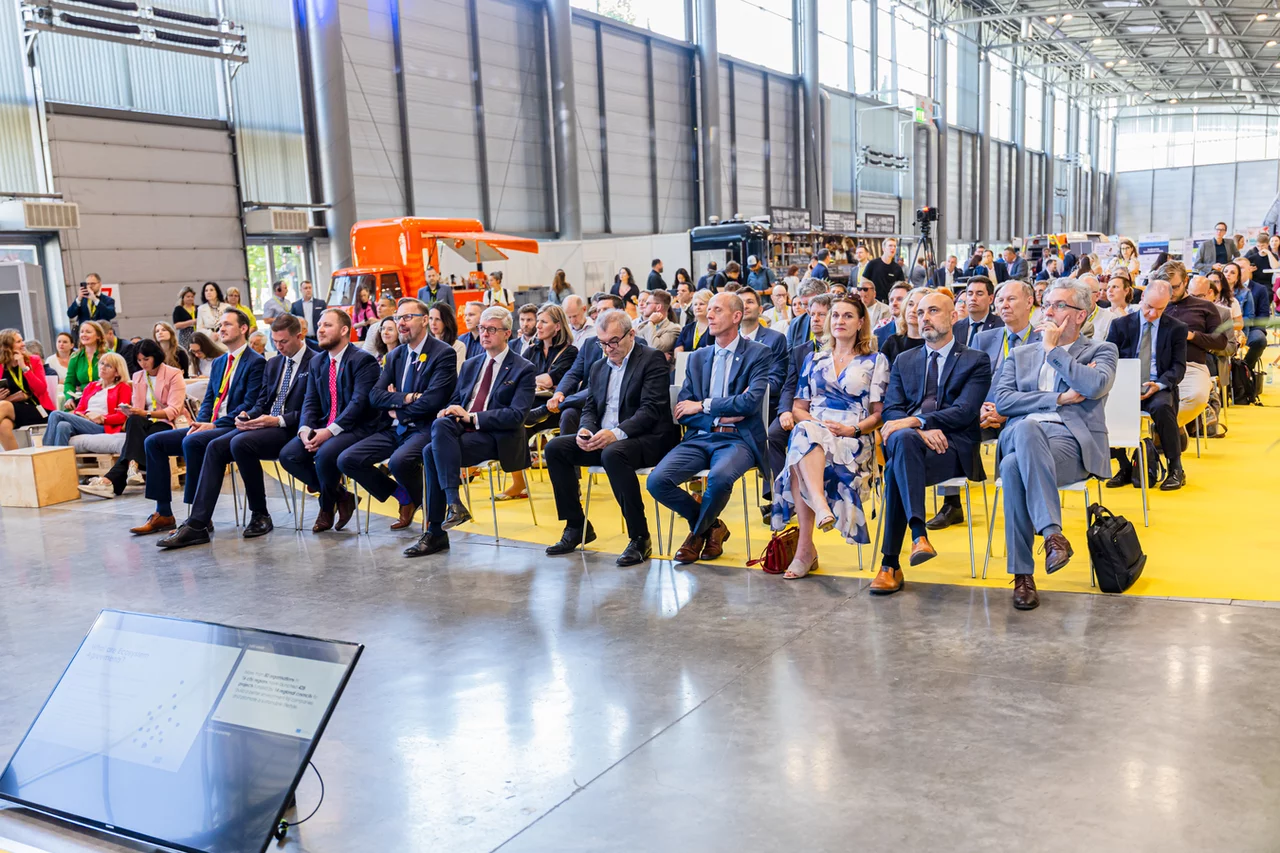
Distinguished guests at the opening ceremony included First Deputy Prime Minister and Minister of Industry and Trade Karel Havlíček, Director General of the Centre for Regional Development of the Czech Republic Petr Štěpánek, Deputy Governor of the South Moravian Region Marek Sovka, Brno City Councillor for Strategic Development Martin Příborský, Director General of the Digitalization and Innovation Section at the Ministry of
Industry and Trade Jaromír Wasserbauer, Chairman of the Association of Metropolitan Areas and Agglomerations of the Czech Republic (SO MOA) Miroslav Žbánek, and Vice Chairman of the Association of Local Governments Tomáš Dubský.
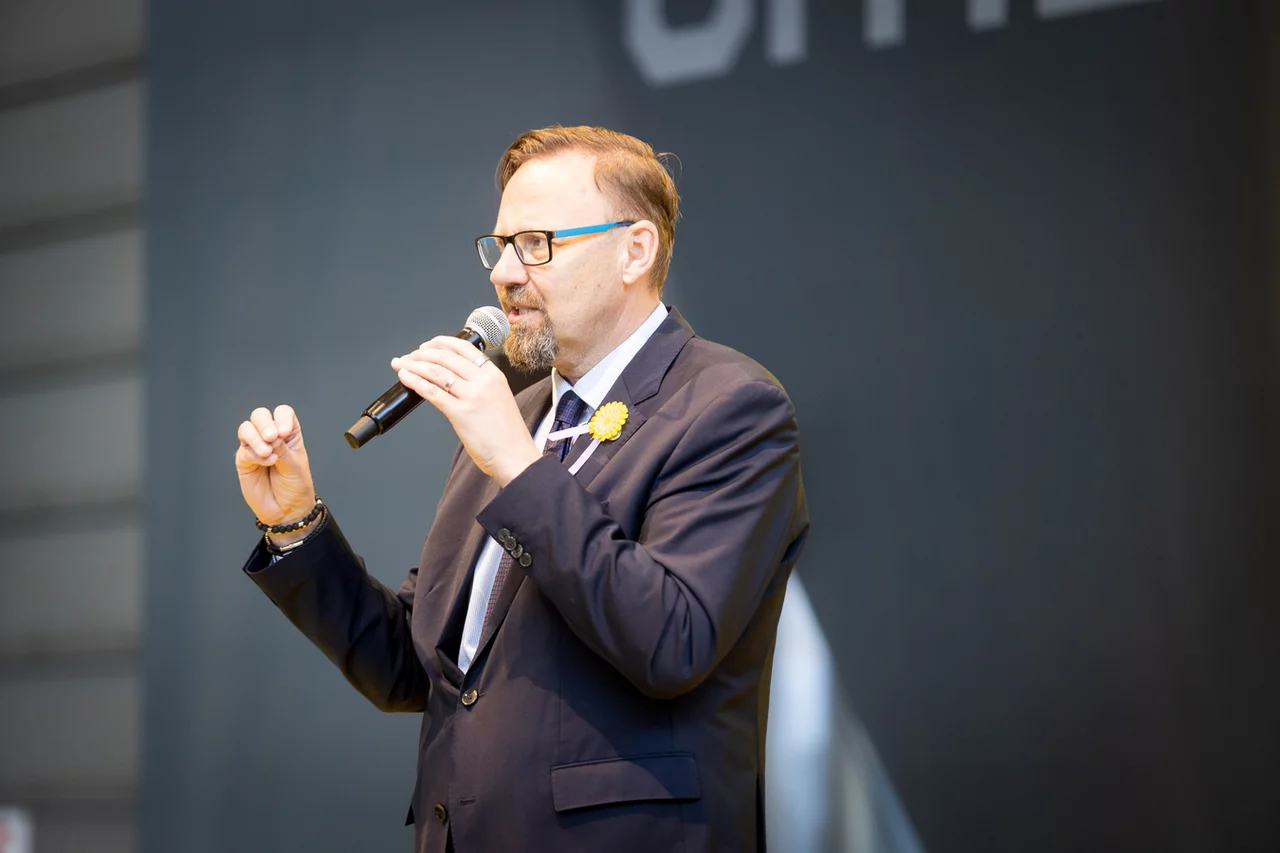
In their speeches, they emphasized that successful urban development will not rely solely on investments in technology, but above all on the ability to cooperate across institutions, share expertise, and create an environment open to innovation.
Everything Under One Roof
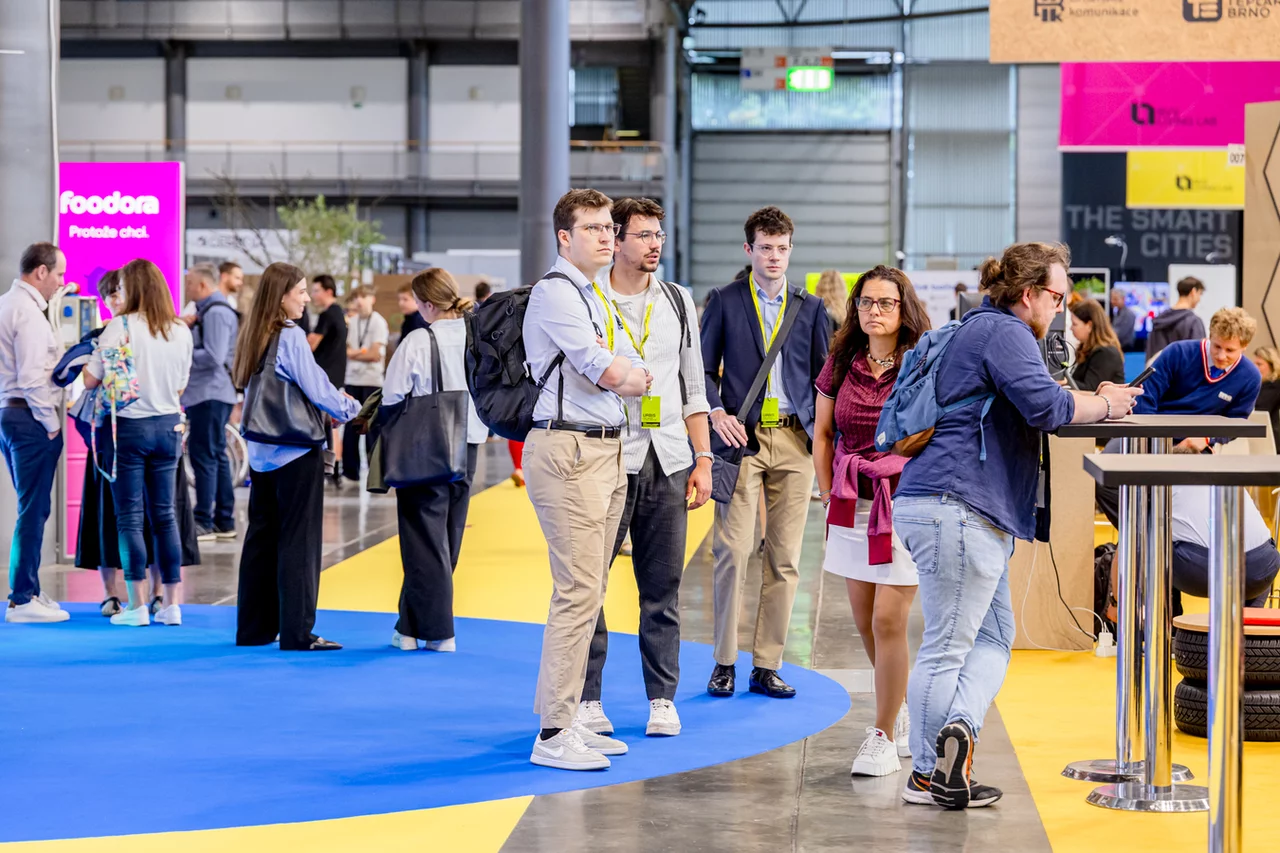
One of the most notable innovations of this year’s edition was the move to Pavilion V. The compact layout combined the exhibition area, conference program, and networking activities into a single space. The pavilion also featured two stages, hosting expert sessions, discussions, and presentations of innovative solutions throughout all three days.
Visitors and exhibitors especially appreciated the clarity, improved orientation, and ease of movement between the different parts of the program.
Thematic Zones Improved Visitor Orientation
The exhibition area was newly divided into thematic zones based on key urban development areas. Visitors could easily locate exhibits focused on mobility, security, energy and digitalization, climate and sustainability, or social innovation.
This structure contributed significantly to the overall clarity of the event and enabled more effective connections between exhibitors and visitors seeking specific solutions for their projects. Cities and municipalities were thus able to gain inspiration and establish contacts across multiple development fields within a single day.
Brno Showcased the Strength of Its Urban Ecosystem
One of the highlights of this year’s edition was the joint exhibition of the City of Brno and six municipal companies, presenting concrete projects and innovations created within Brno’s urban ecosystem.
For the first time, the city and its organizations were presented at URBIS in a unified concept, demonstrating how municipal companies can collectively contribute to modern and sustainable urban development. Participants included Teplárny Brno, SAKO Brno, Brno Public Transport Company, Brněnské komunikace, Technology Park Brno, and CD CENTRUM COMS.
Visitors learned about projects focused on energy, circular economy, smart mobility, digital services, and support for innovation and entrepreneurship.
Conference Program – From Artificial Intelligence to Schools of the Future
The conference program confirmed that the future of cities is not only about technology, but primarily about people. Over the three days, attendees could follow discussions on artificial intelligence, energy security, climate resilience, transport, cybersecurity, and modern public administration.
Key topics included Living Labs, agile innovation piloting, clean mobility, and the role of schools as drivers of regional development. Urban security and resilience also played a major role, with discussions on crisis management, protection of critical infrastructure, energy security, and cyber threats.
The program also included debates on the development opportunities linked to the construction of a new nuclear source in Dukovany and its regional impact. The second day featured the announcement of results from the student Hackateen competition, where participants presented innovative ideas to improve life in cities and municipalities.
PilotInnCities Showed the Path from Idea to Implementation
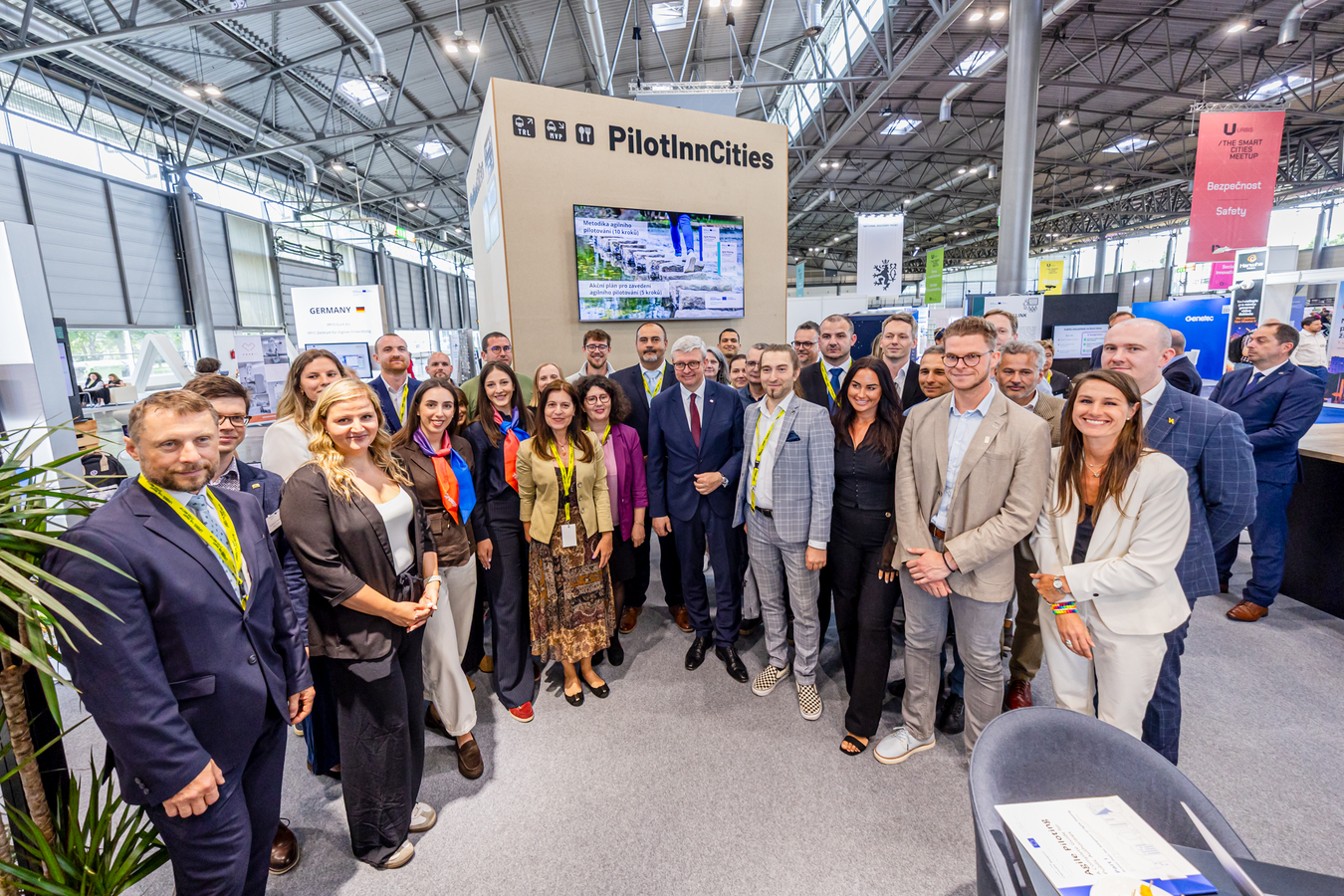
Significant attention was drawn to the international PilotInnCities project, which presented the outcomes of a three-year collaboration among partners from the Czech Republic, Germany, Hungary, Romania, Serbia, and Slovakia.
The project showcased concrete examples of successful cooperation between startups, municipalities, and public institutions, along with a methodology for testing new solutions in real-life environments before full-scale deployment.
Participants gained insights into practical experiences from partner countries, covering areas such as mobility, energy, digital public services, and data-driven urban governance.
Living Labs Turn Ideas into Reality
Living Labs—real-life testing environments for new technologies—were another important theme. The BVV Living Lab Brno initiative was presented, gradually transforming the Brno Exhibition Centre into a space for practical innovation testing and collaboration among companies, the city, universities, and startups.
Compared to 2025, there was clear progress. While last year the project was mainly in preparation and pilot phases, this year it presented concrete results and functioning solutions.
Members include Veletrhy Brno, Teplárny Brno, SAKO Brno, Brno Public Transport Company, Brněnské komunikace, and Technical Networks Brno, with technology partners and startups such as RoboAuto, BringAuto, 3L Robotics, VisionCraft, and Icontio.
Technologies Visitors Could Experience First-Hand
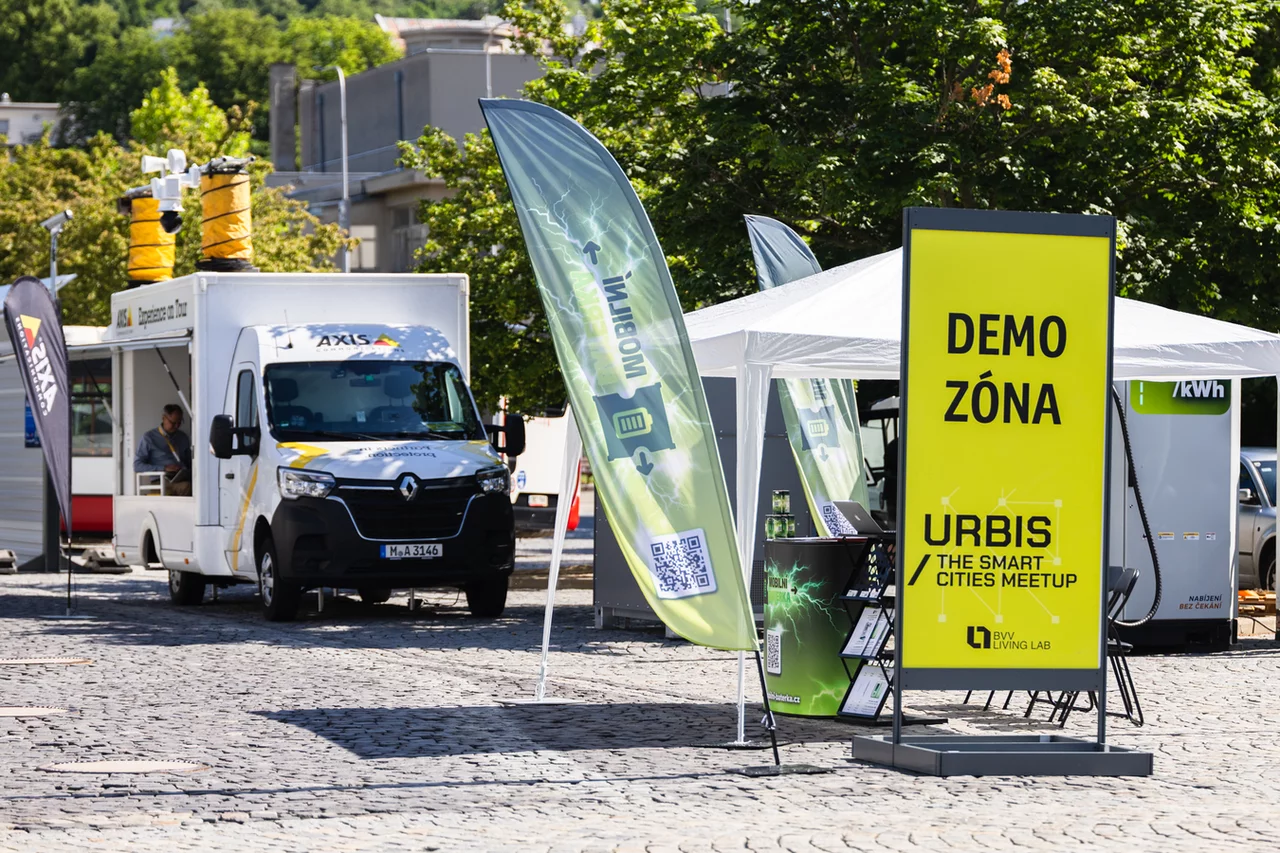
URBIS 2026 featured dozens of practical demonstrations of technologies and innovative solutions.
Highlights included autonomous systems, smart municipal technologies, modern transport solutions, circular economy projects, and the use of virtual reality in first aid training through the #mocPOmoc project.
Visitors could observe autonomous vehicles from BringAuto and RoboAuto, demonstrating future urban mobility and automated logistics. Foodora showcased the use of autonomous technologies for urban delivery. Batteree presented innovative approaches to battery management and charging.
The #mocPOmoc project demonstrated VR-based first aid training, with nearly 700 visitors trying it out.
Other notable exhibits included digital mapping solutions from CEDA Maps, drone technologies and digital twins from VisionCraft, intelligent traffic systems from Yunex, automated parcel lockers from OX Point, and robotics from 3L Robotics.
National Consultation Point Connected Experts and Municipalities
An important part of the event was the National Consultation Point, where representatives of cities, municipalities, companies, and startups could consult their projects with experts from ministries, state agencies, and professional organizations.
It confirmed that, alongside inspiration and technology, municipalities are seeking practical advice, contacts, and funding opportunities—making it one of the most visited parts of the fair.
Accompanying Conferences Broadened Perspectives
URBIS 2026 also hosted 33 accompanying events covering public administration, mobility, education, and regional development.
Highlights included:
- Clean Mobility Conference, focusing on zero-emission transport and charging infrastructure
- Festivals as Drivers of Economy and Innovation, highlighting cultural events as tools for tourism and local development
- Leaders in Public Administration, offering insights into leadership and innovation in governance
- School as a Driver of the Region, emphasizing the role of education in community and economic development
Next Edition Alongside VOD-KA Trade Fair
This year’s edition confirmed the growing importance of URBIS as a national platform connecting municipalities, experts, companies, startups, and government institutions.
The next edition will take place from June 8 to 10, 2027, alongside the VOD-KA trade fair. Organizers expect further strengthening of the event’s international dimension and continued development of topics shaping the future of European cities and municipalities.
Photo Gallery