
URBIS 2026: Three Days of Innovation for Municipalities and Cities
May 13, 2026 / 6:59 AM
The URBIS 2026 trade fair and conference will take place on 2–4 June 2026 at the Brno Exhibition Centre, offering cities and municipalities of all sizes a unique concentration of practical solutions, inspiration, and opportunities for cooperation. The entire event will be located in Pavilion V, where visitors will find two programme stages, exhibitor stands, and demonstrations of technologies in real-life operation. URBIS has long been one of the key meeting points for Czech and international local governments, experts, companies, and innovators, who come together to share concrete approaches and tools applicable to the everyday practice of cities and municipalities-without the need for complex investments or heavy administrative burdens.
Exhibitors in Clearly Defined Zones
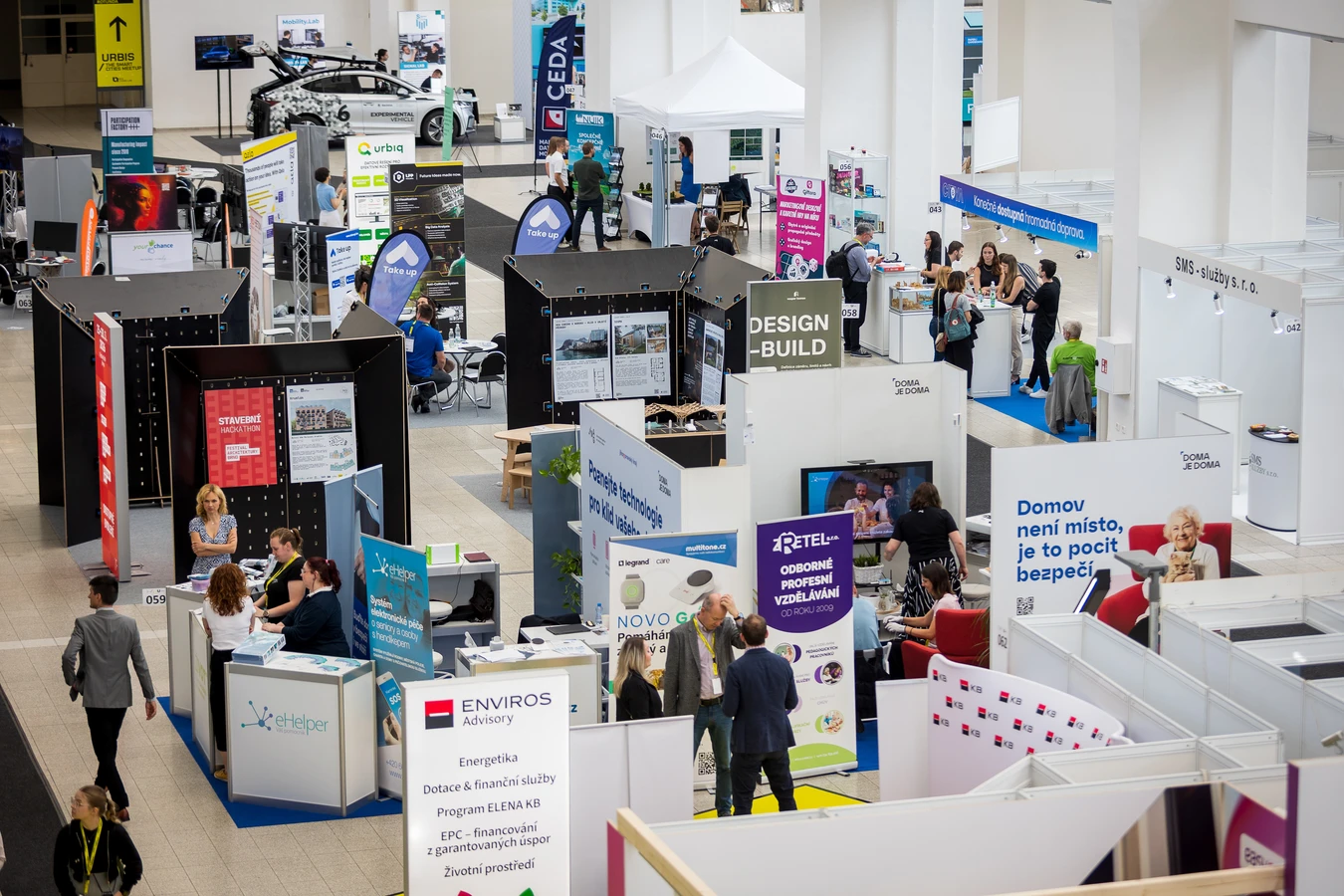
The exhibition section of URBIS 2026 is designed as a clear and practically oriented space in which visitors can easily navigate according to key topics in urban and municipal development. The exhibition area is thematically divided into several zones reflecting the main challenges facing today’s local governments—social innovation, mobility, safety, energy and digitalisation, and climate and sustainability.
Each zone has its own presentation area and is complemented by a professional programme, with a particularly strong concentration of activities in the mobility, safety, and energy & digitalisation zones.
The exhibition also includes technology incubation projects, agile pilots, and living labs, demonstrating how innovations can be tested directly in real municipal and city environments, as well as a national consultation point where representatives of local governments can address their specific questions with specialists. An important role is also played by practical demonstrations of technologies in real operation, taking place both inside Pavilion V and in the adjacent outdoor areas.
URBIS 2026 Conference
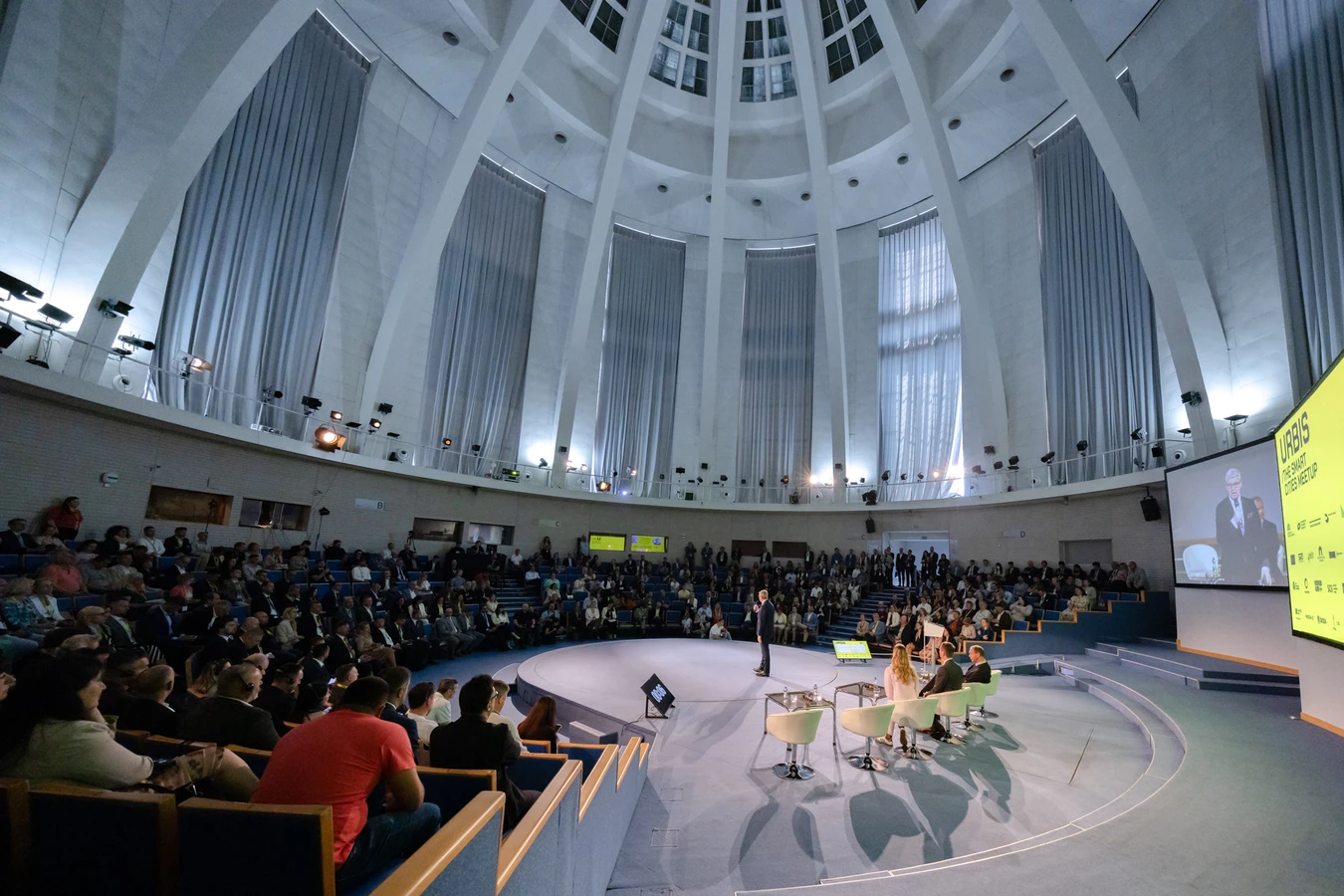
The URBIS 2026 conference programme is spread over three days and offers a balanced combination of strategic debates, practical case studies, and concrete guidance for the everyday operation of cities and municipalities. Each day has its own thematic focus, gradually moving from visions to solutions that can be directly applied in practice.
Monday, 2 June is primarily dedicated to the future of cities, municipalities, and regions. The programme focuses on strategic governance, smart investments, cooperation in metropolitan areas, and key issues that local governments will be addressing in the coming years. Social innovation, community engagement, and municipal resilience—including preparedness for crisis situations—also play a strong role. This opening day sets the broader context and frames the key questions that the conference returns to in the following days.
Tuesday, 3 June brings innovation into practice. Discussions focus on European funding, living labs, agile piloting, and the use of data and digital tools in everyday municipal decision-making. A major topic is security, understood as a fundamental layer of the smart city—from public order and situational prevention to the protection of soft targets, cybersecurity, and the protection of energy infrastructure. The programme is further enriched by topics such as mobility, drone technologies, and the involvement of the younger generation.
Wednesday, 4 June focuses on concrete solutions that can be quickly transferred into practice. Attention is given to mobility, climate and sustainability, waste prevention, reuse centres, and work with greenery and water in urban environments. New financial instruments, inter-municipal cooperation, and regional development opportunities in energy and digitalisation are also addressed. The conference concludes with a summary of key takeaways and the sharing of what participants can realistically take back to their own cities and municipalities.
Accompanying Events and Thematic Conferences at URBIS 2026
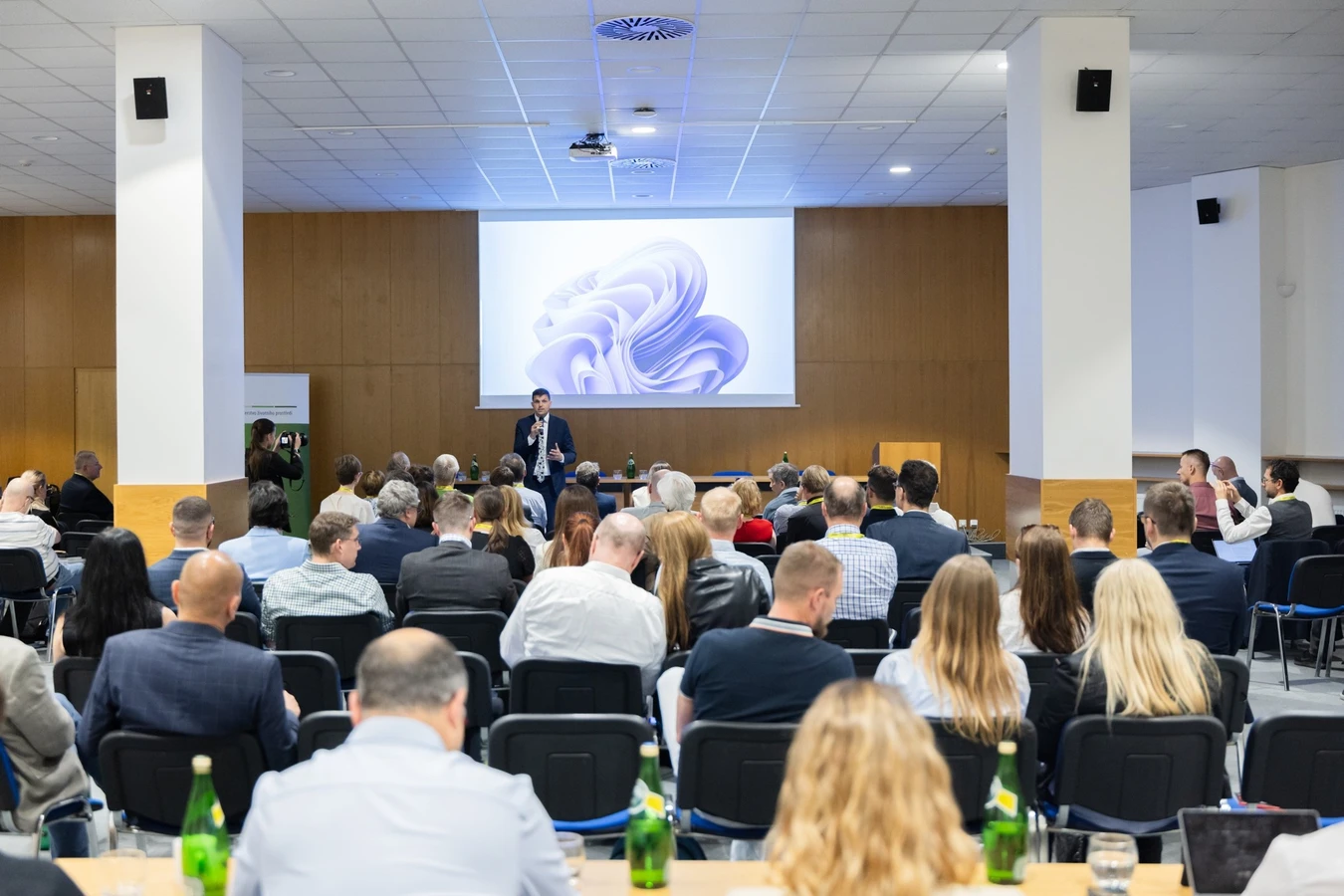
The URBIS 2026 trade fair and conference also feature a wide range of parallel expert conferences and accompanying events that explore selected topics in greater depth and enable more targeted discussion of specific challenges faced by cities and municipalities. These events expand the main conference programme and provide space for both strategic themes and very practical issues of everyday local government administration.
Key accompanying events include, for example, the Clean Mobility Conference, which focuses on sustainable transport, alternative powertrains, and systemic changes in urban and regional mobility. Festivals as Drivers of the Economy, Image, Community, and Innovation of Cities and Regions address the role of major cultural events as long-term partners of cities—not only from an economic perspective, but also in terms of reputation, community engagement, and territorial development.
An important place in the programme is also held by the Leaders in Public Administration Conference, which brings inspiration in the fields of municipal management, leadership, team development, and the relationship between political leadership and administrative authorities. This is thematically followed by the School as a Driver of the Region Conference, focusing on the role of schools as a key element of municipal and regional development and on cooperation between mayors, founders, and school management during a period of fundamental systemic changes in education.
A highly visible part of the programme is the #mocPOmoc initiative, which demonstrates at URBIS how cities and municipalities can systematically prepare their residents for crisis situations using modern technologies, especially virtual reality. The project connects public health, education, and innovation and offers local governments a proven model for increasing population preparedness on a large scale while reducing fear of providing first aid.
Indoor and Outdoor Technology Demonstrations in Practice
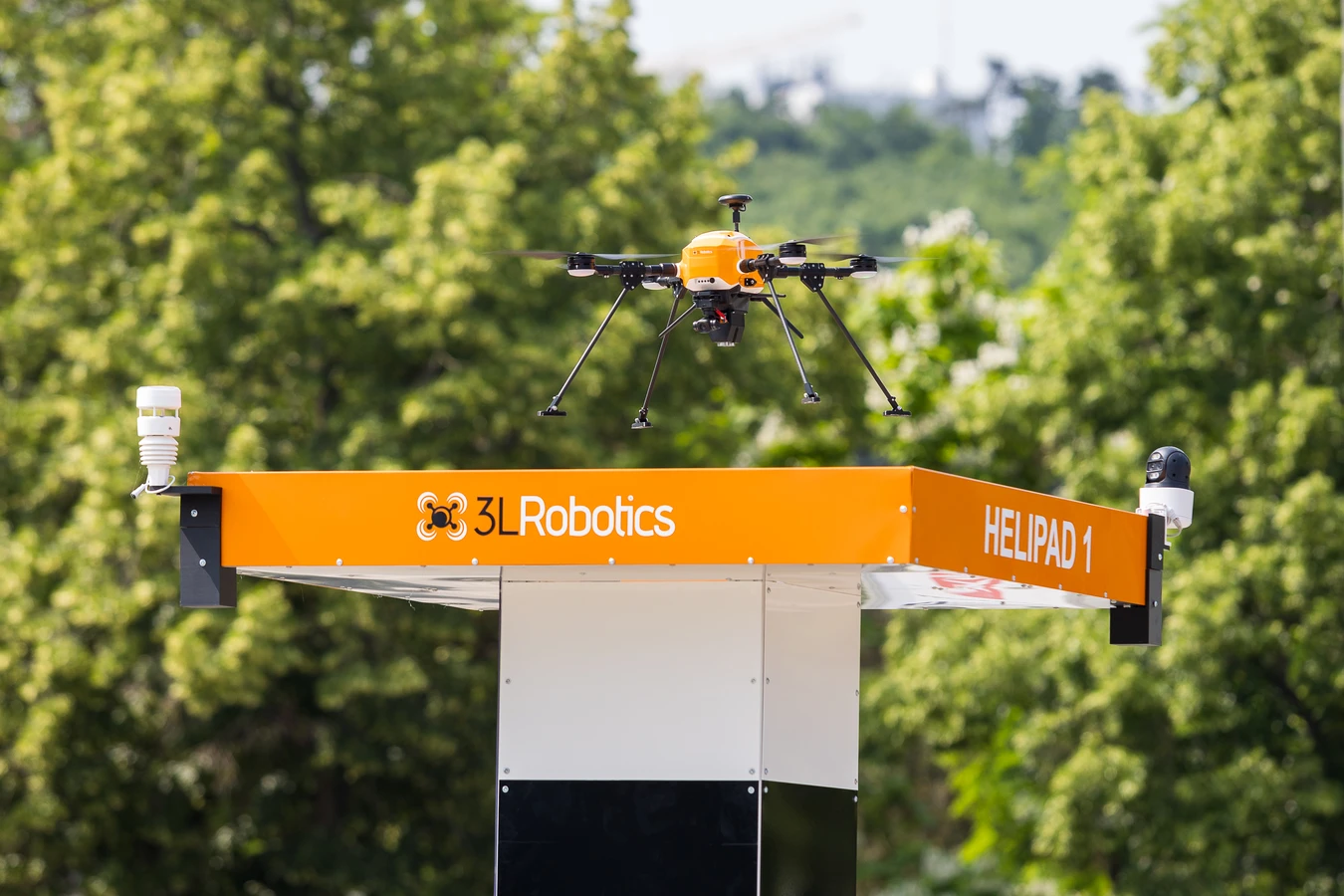
A major part of URBIS 2026 consists of practical technology demonstrations taking place throughout the event in Pavilion V and in the adjacent outdoor areas of the Brno Exhibition Centre. This is where URBIS clearly differs from traditional conferences—visitors have the opportunity to see solutions in real operation, try them out, and discuss their use directly with experts.
Both outdoor and indoor demonstration zones will showcase, for example, autonomous and robotic technologies within the living lab concept. Visitors will see autonomous vehicles and robotic solutions designed for municipal and urban environments, including their practical deployment in transport, maintenance, and logistics.
The demonstrations will also include smart municipal equipment, such as autonomous lawn mowers or multifunctional municipal electric vehicles designed for year-round operation—from summer maintenance to winter services. Reuse and circular solutions will also be presented in practice, showing how waste generation can be effectively prevented and materials reused.
A specific feature is virtual reality training as part of the #mocPOmoc initiative, where visitors can experience first-aid and crisis-response training firsthand using immersive technologies.
A lighter, more community-oriented dimension of the trade fair will be offered by the chill-out zone, featuring the Zvolni initiative as part of the journey of the Želvák mascot across the Czech Republic. This zone opens up the topics of traffic calming, safety, and the quality of public space in an accessible and engaging way for a broad audience.
Top 10 Takeaways from URBIS 2026 for Small Municipalities
1. Resident preparedness for crises and first aid
Tuesday, 2 June – #mocPOmoc programme:From First Aid to Follow-Up Care – How to Build a Resilient Municipality + all-day demonstrations and hands-on training in the exhibition area.
A practical model that small municipalities can use for schools and the general public.
2. Security of public buildings, schools, and events
Wednesday, 3 June – Thematic Security Day: Smart City and Security, Safety and Public Order, Protection of Soft Targets
Technologies: Axis ecosystem, 2N, METEL, drones.
3. Fast and crisis communication with residents
Wednesday, 3 June – security and crisis-related programme blocks
Companies: KONZULTA Brno (InfoKanál, MicroGuard), DigiDay Czech.
4. Digitalisation without an in-house IT department
Wednesday, 3 June – Digital Tools in the Everyday Practice of Cities and Municipalities
Companies: Citymind (AI chatbot, transcription services), Whatspot (municipal facility booking).
5. Community and municipal energy solutions—even for small municipalities
Tuesday, 2 June – New Developments in Community and Regional Energy
Thursday, 4 June – energy and regional programme blocks
Companies: Wattlink, Wattee, ČEZ ESCO.
6. Energy savings in municipal buildings
Tuesday–Thursday (ongoing) – energy-focused programmes and consultations
Companies: ČEZ ESCO, Wattee.
7. Municipal technical services and maintenance in practice
Throughout URBIS (2–4 June) – outdoor and indoor technology demonstrations
Companies: Rybář tech, ALFA PROFI / EVUM, SAKO Brno.
8. Reuse centres and waste prevention
Thursday, 4 June – How to Effectively Prevent Waste Generation: Reuse Centres Under the Microscope + demonstrations of reuse solutions.
9. Data for better decision-making in small municipalities
Wednesday, 3 June – programmes focused on data, planning, and digital tools
Companies: SC&C, MDP GEO, urbiq.
10. Consultations on specific municipal challenges
Throughout URBIS (2–4 June) – National Consultation Point, individual consultations with CESMOD, and meetings with experts.
URBIS Through the Eyes of Business
URBIS 2026 presents technologies and approaches with broad applicability beyond the environment of cities and municipalities. Solutions showcased in the field of security-camera systems, sensor technology, data analytics, protection of soft targets, and crisis management-can be directly applied to the protection of industrial sites, manufacturing plants, logistics centres, school campuses, or large corporate facilities.
Similarly, digital tools, data-driven approaches, AI, and operational management systems are relevant to any organisation managing larger premises, infrastructure, or working with the public.
There is also strong potential in the areas of energy, mobility, and operations. Concepts such as community energy, electricity sharing, and energy management are applicable to corporate campuses, industrial zones, and development projects. Autonomous and robotic solutions, smart municipal equipment, and electromobility naturally translate into internal logistics, facility maintenance, and the operation of large-scale properties.
URBIS thus serves as a showcase of technologies and trends that are not limited to the public sector but offer practical inspiration for companies seeking efficiency, safety, and sustainability.
