
Water Reservoirs Are Indispensable During Droughts: Securing Water for People and Nature
August 25, 2026 / 3:03 PM
The Czech Republic has been facing hydrological drought and a significant lack of precipitation for the second consecutive year. Although inflows into water reservoirs in many regions are reaching only a few percent to a few tens of percent of long-term averages, the supply of drinking water to residents remains stable. The reason is clear: water reservoirs play a crucial role by storing water during wetter periods and making it available during times of drought.
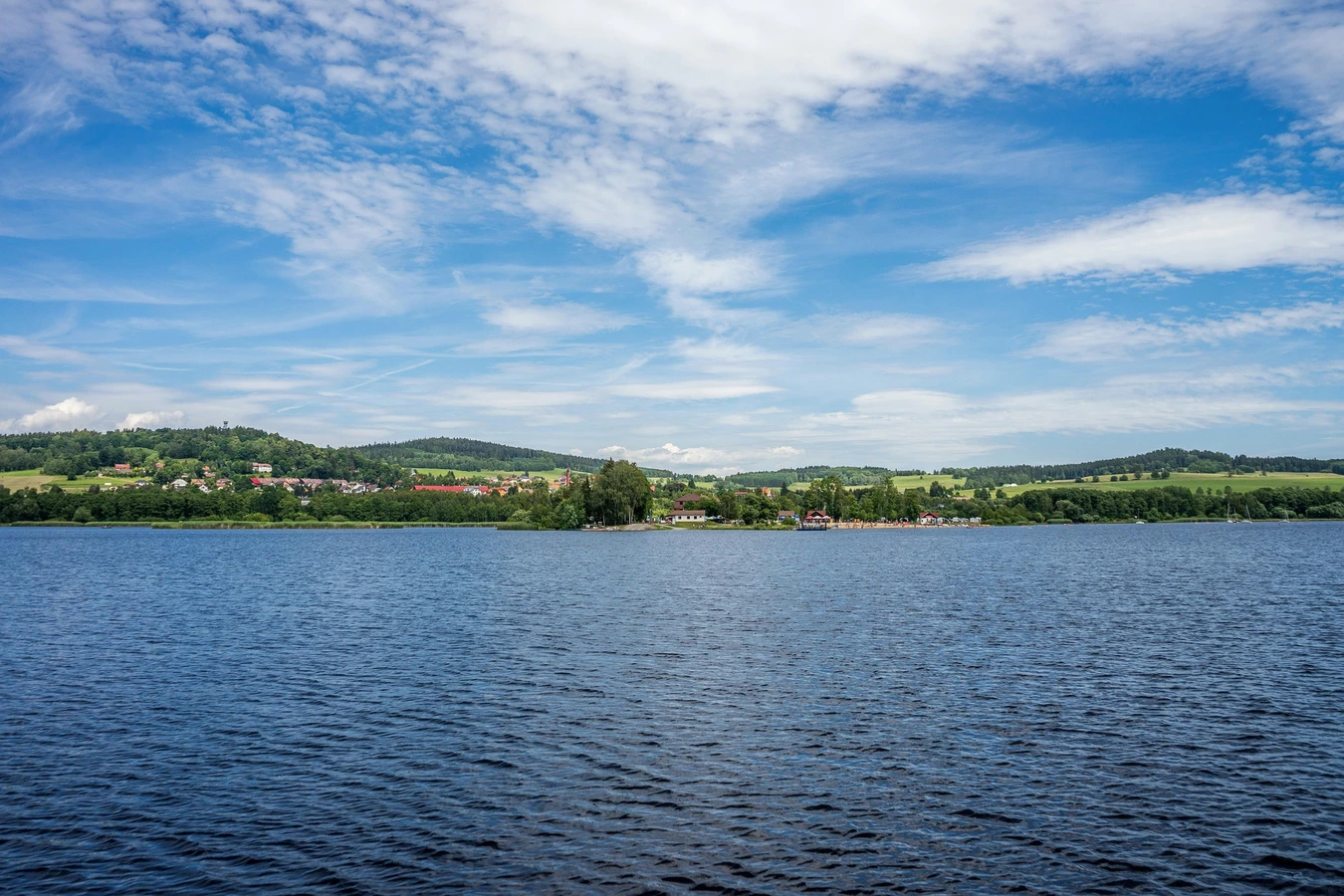
Today, water reservoirs serve far more purposes than simply storing drinking water. They help maintain sufficient river flows, support aquatic ecosystems, provide water for industry and energy production, and mitigate the impacts of extreme climate fluctuations. Their importance becomes most evident during prolonged dry periods.
Record-Low Inflows
According to data from the Morava River Basin Authority, inflows into most reservoirs in July 2026 reached only 5% to 14% of the long-term average. At some waterworks, including Opatovice, Slušovice, and Letovice, inflows did not even reach one-tenth of normal levels. Nevertheless, thanks to previously stored water, the reservoirs continue to secure water supplies for residents and support river flows.
A similar situation exists in the Vltava and Elbe river basins. Water management authorities warn that without reservoir water, river flows in many locations would fall to critical levels, threatening both aquatic environments and water withdrawals.
Reservoirs Sustain River Flows
One of the most important functions of water reservoirs during droughts is the augmentation of river flows, which involves the controlled release of water into rivers downstream of dams.
In the Morava River Basin, 122 million cubic meters of water had been released into rivers for this purpose since the beginning of the year. In the Vltava River Basin, the volume of augmented flows reached nearly 314 million cubic meters. Thanks to the Vltava Cascade system, it is possible to maintain sufficient flows in both the Vltava and Elbe rivers while ensuring water supply withdrawals, dilution of treated wastewater, and the functioning of aquatic ecosystems.
The importance of reservoirs is also emphasized by the Elbe River Basin Authority. For example, in recent weeks, water released from reservoirs accounted for nearly half of the total flow in the middle section of the Elbe River. Without these reserves, the impacts of drought would be considerably more severe.
Water Consumption Is Rising
As drought conditions continue, demand for water is increasing as well. In the Morava River Basin, water deliveries rose by almost 15% year-on-year, primarily for drinking water supply purposes. Water supply systems are increasingly relying on the stable resources provided by reservoirs, which are more reliable during drought periods than shallow groundwater sources.
A similar trend has been reported by other river basin authorities. In the Elbe River Basin, drinking water withdrawals increased by nearly 11% compared to the previous year. Thanks to sufficient water reserves, however, it has not yet been necessary to introduce restrictions on drinking water supplies for residents.
Adapting to Climate Change
The current situation confirms that water reservoirs are among the most important adaptation measures for addressing the impacts of climate change. They make it possible to bridge extended periods of drought, protect drinking water supplies for residents, and help sustain life in rivers and surrounding ecosystems.
Although water reserves in most major reservoirs remain sufficient for now, river basin authorities warn that prolonged drought increases the need for responsible water management. As climate change continues, the role of water reservoirs is expected to become even more important.
Sources: Morava River Basin Authority (Povodí Moravy, s. p.); Vltava River Basin Authority (Povodí Vltavy, s. p.); Elbe River Basin Authority (Povodí Labe, s. p.).
