Accompanying Exhibition of Minerals Brno 2026 (November): Silicates II
October 7, 2026 / 7:00 AM
The accompanying exhibition at Minerals Brno 2026 continues last year's theme with the second part of Silicates (Silicate Minerals). Silicates are an extremely large and diverse group of minerals, making it necessary to divide this exhibition topic into two parts.
This year, visitors to the upper floor of Pavilion B will be able to see specimens from the following groups:
a) Inosilicates
b) Phyllosilicates
c) Tectosilicates and Zeolites
Given the enormous number of minerals involved, including many common rock-forming minerals, this brief article will focus only on some of the most exceptional exhibits that visitors will find in the display cases.
Inosilicates
This group includes many fundamental minerals, particularly those occurring in metamorphic rocks. It primarily consists of pyroxenes and amphiboles.
Among the displayed specimens will be enstatite from the North Moravian locality of Žďár near Ruda nad Moravou; several examples of diopside; the attractively colored johannsenite; beautiful specimens of augite from the classic locality of Paškapole; gem-quality varieties of spodumene (kunzite and hiddenite); jadeite; aegirine; striking straw-yellow carpholite from the world-famous locality of Horní Slavkov; lustrous crystals of lorenzenite (ramzaite); large crystals of oxykaersutite (an amphibole) from the classic locality of Vlčí Hora near Černošín; blue glaucophane; anthophyllite as a component of the world-famous “Heřmanov spheres” from Heřmanov near Křižanov; and orange-yellow radiating aggregates of tinaksite embedded in charoite.
Impressive specimens will also be exhibited among wollastonite, pectolite, and the massive pink rhodonite. Particularly attractive are the okenites from cavities in the basalt flows near Pune (India), forming snow-white, ultra-fine needle-like aggregates. Also world-renowned are the long hedgehog-like aggregates of elpidite from Lovozero on Russia’s Kola Peninsula.
From Czech localities, visitors will see spherical, comb-like aggregates of mostly pale green prehnite, whose best-known Czech occurrences are in the Čáslav region (Markovice and Libodřice).
Phyllosilicates
Among this group, beautiful pearly druses of apophyllite from Pune (India) and several Czech localities will stand out, although Czech crystals are generally smaller, such as those from the České středohoří Mountains and the Lusatian Mountains.
This group also includes talc, representing the first degree of hardness on the Mohs scale, shown here as greenish specimens from Muránska Dlhá Lúka in Slovakia. Well-known micas (muscovite, biotite, and others) also belong to this group, including specimens from the Vysočina region and the Pohled quarry near Havlíčkův Brod. Another representative is the green mineral celadonite, for example from Věžná.
Lithium-bearing micas are commonly associated with tin deposits, including zinnwaldite from Cínovec and lepidolite, usually found in pegmatites, represented by specimens from Rožná, Dobrá Voda, and Nová Ves.
Colorful representatives include the bright green nontronite from Těškov and various Slovak localities, especially the Slanské Hills (e.g., Strahulka Quarry). This group also includes numerous chlorites (mostly dark green), clay minerals such as kaolinite, dickite, and nacrite, as well as the asbestos mineral chrysotile (Dobšiná and Věžná).
Among the most visually striking phyllosilicates are the blue chrysocolla from Novoveská Huta near Spišská Nová Ves, the deep-blue spherical cavansite from Pune, India, and the pearly zeophyllite from Velké Březno and Radejčín.
Tectosilicates
This group contains many important rock-forming minerals, including the feldspars.
Among minerals typical of alkaline rocks are the gray-green nepheline and the cloudy white leucite. Lithium-rich pegmatites occasionally contain petalite, whose finest specimens come from Pakistan.
Feldspars
Feldspars form a large family of potassium, sodium-calcium, and even barium-bearing minerals. The best-known are the potassium feldspars, particularly orthoclase. Historically famous specimens occur near Karlovy Vary (Hory locality) in twinned crystal formations, but orthoclase is also a common constituent of granites, pegmatites, and many other rocks. Pegmatites near Bory, Bobrová, and other localities have produced beautiful, well-formed crystals.
Another common feldspar is the sodium-rich albite, well known from pegmatites around Bory and Strážek, where rarer minerals are sometimes enclosed within it.
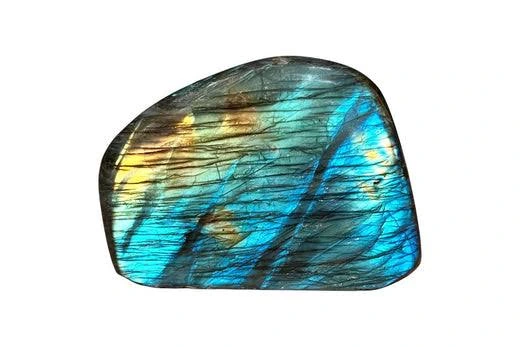
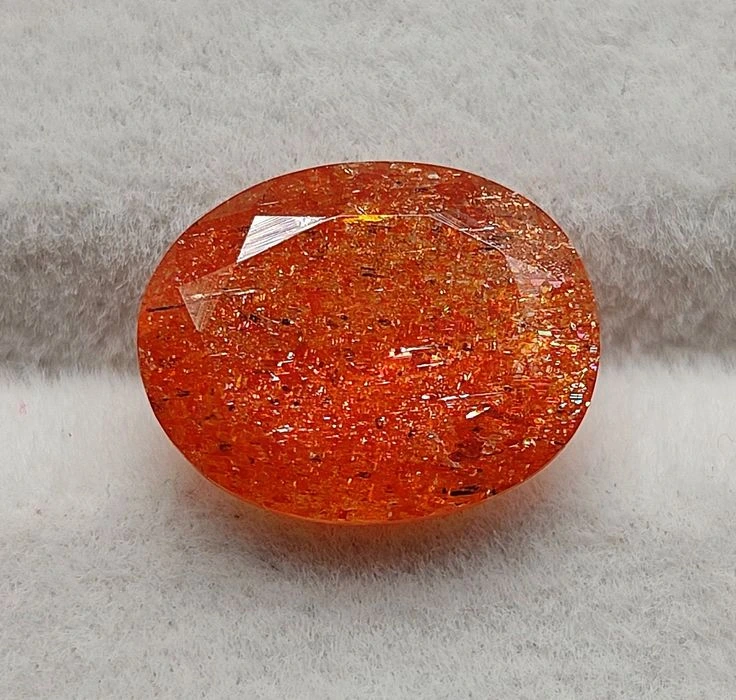
Colorful feldspars include green amazonite from Keivy on the Kola Peninsula and the multicolored labradorite from Madagascar and Finland. In jewelry, the yellow-orange sunstone (Sri Lanka) and moonstone (white with a blue sheen) are especially valued.
Equally striking are the blue minerals sodalite and lazurite (lapis lazuli). Distinct crystals are sometimes formed by scapolite from the Vysočina region and Canada. Another highly sought-after mineral is tugtupite, found in Greenland and Lovozero, Russia. Tugtupite exhibits strong fluorescence as well as the much rarer property of tenebrescence, a reversible color change triggered by exposure to light.
Zeolites
A relatively large subgroup of tectosilicates consists of the zeolites. The Czech Republic is particularly rich in these minerals, which are mainly found in basaltic rocks as well as uranium and polymetallic ore deposits.
One of the most attractive Czech zeolites is natrolite, found at Soutěsky, Malšovice, Palačov, Dolní Zálezly, and Velké Březno. Foreign specimens include robust crystal columns from the Kola Peninsula in Russia.
Scolecite occurs in the Czech Republic at Horní Jílové and in Slovakia at Šiatorská Bukovinka, while magnificent thick needles come from Pune, India.
Thomsonite is known from Pustý vrch near Folknáře, while laumontite is particularly abundant in the Čáslav region (Markovice) and at Šiatorská Bukovinka in Slovakia. By contrast, edingtonite has been found in the Czech Republic only at the ore deposit of Staré Ransko.
Beautiful pearly heulandite occurs at Kozákov, Pune (India), and the Lower Tunguska region of Russia. Stilbite is less common in the Czech Republic, occurring at Kozákov, Ruprechtice near Liberec, Cvikov, Markovice, and Rožínka. In Slovakia, it is found sporadically at Fintice and Šiatorská Bukovinka. World-class specimens come from Pune and the Lower Tunguska region.
Chabazite has a historic Czech locality at Řepčice near Litoměřice, and beautiful crystals have also been found at Cvikov. In Slovakia, remarkable specimens come from Maglovec and Fintice.
Analcime has been discovered in rare crystals at optical calcite deposits in the Lower Tunguska region of Russia. Exceptional specimens are also known from Pune, Canada, and Norway. Among Czech localities, noteworthy analcime specimens come from Libodřice, Soutěsky, and Baška in northern Moravia.
The authors of the accompanying exhibition Silicates II cordially invite all visitors of Minerals Brno to the gallery of Pavilion B, where they can admire these outstanding mineral specimens.
On behalf of the exhibition authors:
RNDr. Luděk Kráčmar and Radek Votava