From Moonstone to Brilliant Blue Cavansite: Discover Ten Mineral Treasures at the Silicates II Exhibition
October 21, 2026 / 10:41 AM
Some shine in every color of the spectrum, others resemble snowballs, and many have been symbols of luck, protection, or prosperity for centuries. Minerals are not only subjects of scientific study but also fascinating natural creations used in jewelry, art, and everyday life. The accompanying exhibition Silicates II at Minerals Brno 2026 will showcase a variety of remarkable specimens from Czech and international localities. We have selected ten highlights that are definitely worth your attention.
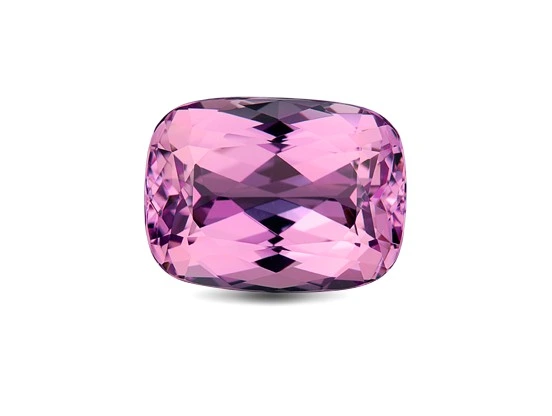
1. Kunzite – A Pink Gemstone with Delicate Charm
Kunzite is a gem-quality variety of spodumene that captivates with its soft shades of pink to violet. Its color may shift depending on the viewing angle, making it a highly attractive gemstone for jewelry. It is especially popular among admirers of elegant, delicately colored gems. Symbolically, it is often associated with love, tranquility, and harmony.
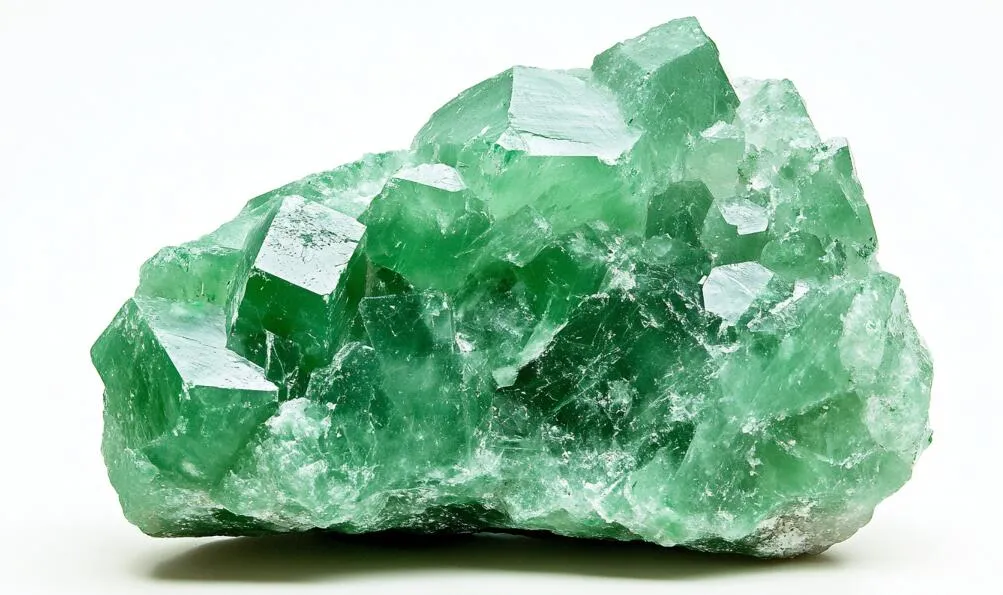
2. Jadeite – The Stone of Emperors and a Symbol of Good Fortune
Jadeite holds a special place in Chinese culture, where both nephrite and jadeite have been treasured for thousands of years as symbols of purity, wisdom, and prosperity. The most valuable jadeite varieties display a rich green color and can command extraordinary prices. In addition to jewelry, jadeite is used to create sculptures, ornaments, and traditional decorative objects. In many Asian cultures, it is still regarded as a stone that brings good luck.
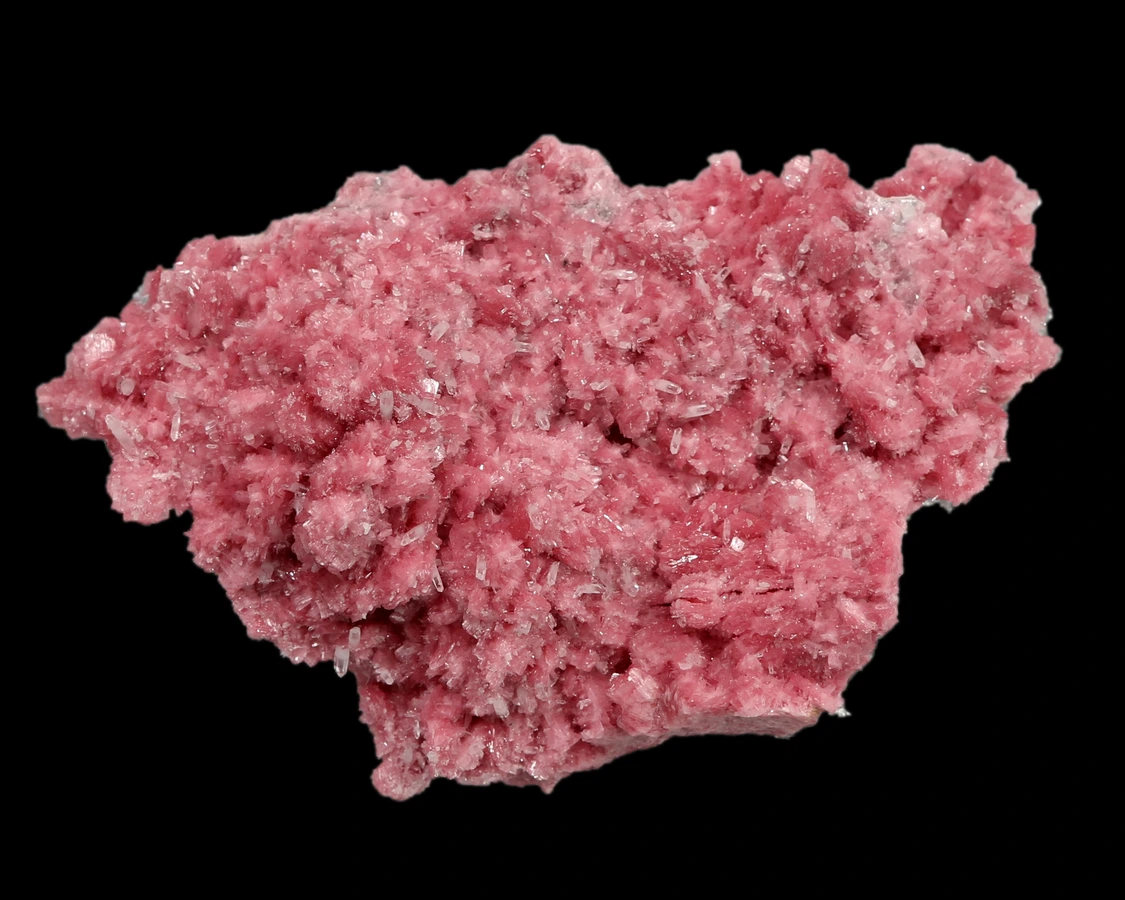
3. Rhodonite – A Pink Stone with Dark Veins
The distinctive pink color of rhodonite, complemented by dark black veining, creates an unmistakable appearance. This mineral is used to make pendants, bracelets, decorative objects, and ornamental stones. Its name comes from the Greek word rhodon, meaning “rose.” In various traditions, it is symbolically linked to friendship and emotional balance.
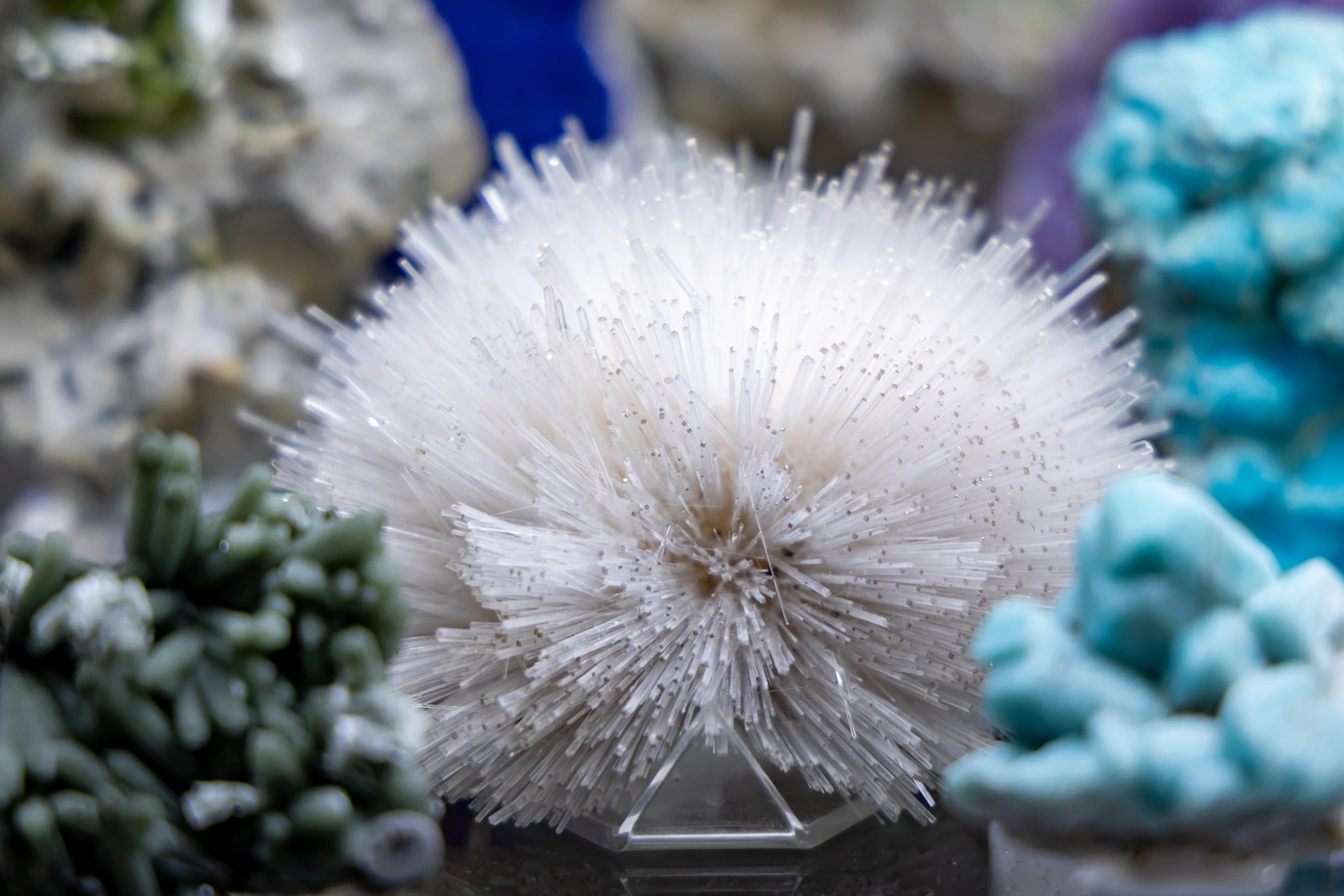
4. Okenite – The Mineral That Looks Like a Snowball
At first glance, okenite may resemble a fluffy cotton ball or a delicate snowball. It forms exceptionally fine white needle-like crystals that gather into soft-looking spherical clusters. The most famous specimens originate from cavities in basalt rocks in India. Despite its gentle appearance, okenite is a fragile mineral whose delicate structure can be easily damaged. Its unusual form makes it one of the most photogenic specimens in mineral collections.
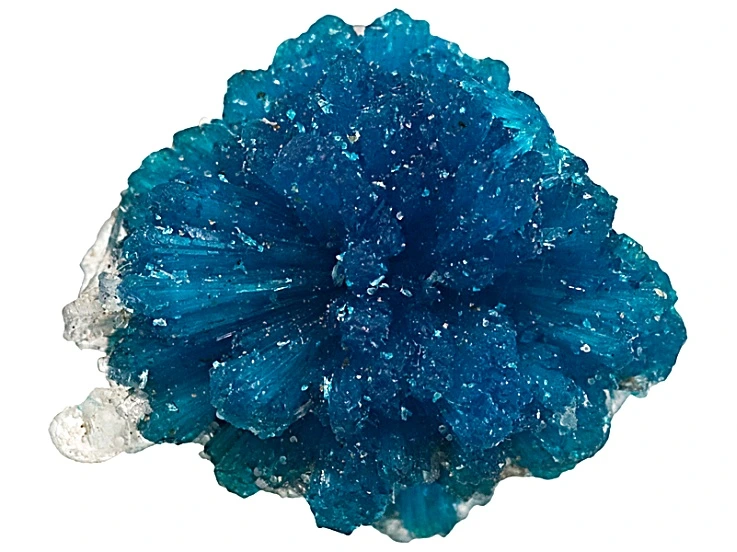
5. Cavansite – A Brilliant Blue Treasure from India
Few minerals can rival the intense blue color of cavansite. Its tiny crystals often form spherical or radiating clusters that appear almost unreal against a light-colored matrix. The best-known specimens come from the Pune region of India. Cavansite is highly sought after by collectors who appreciate both its striking color and unusual crystal habits.
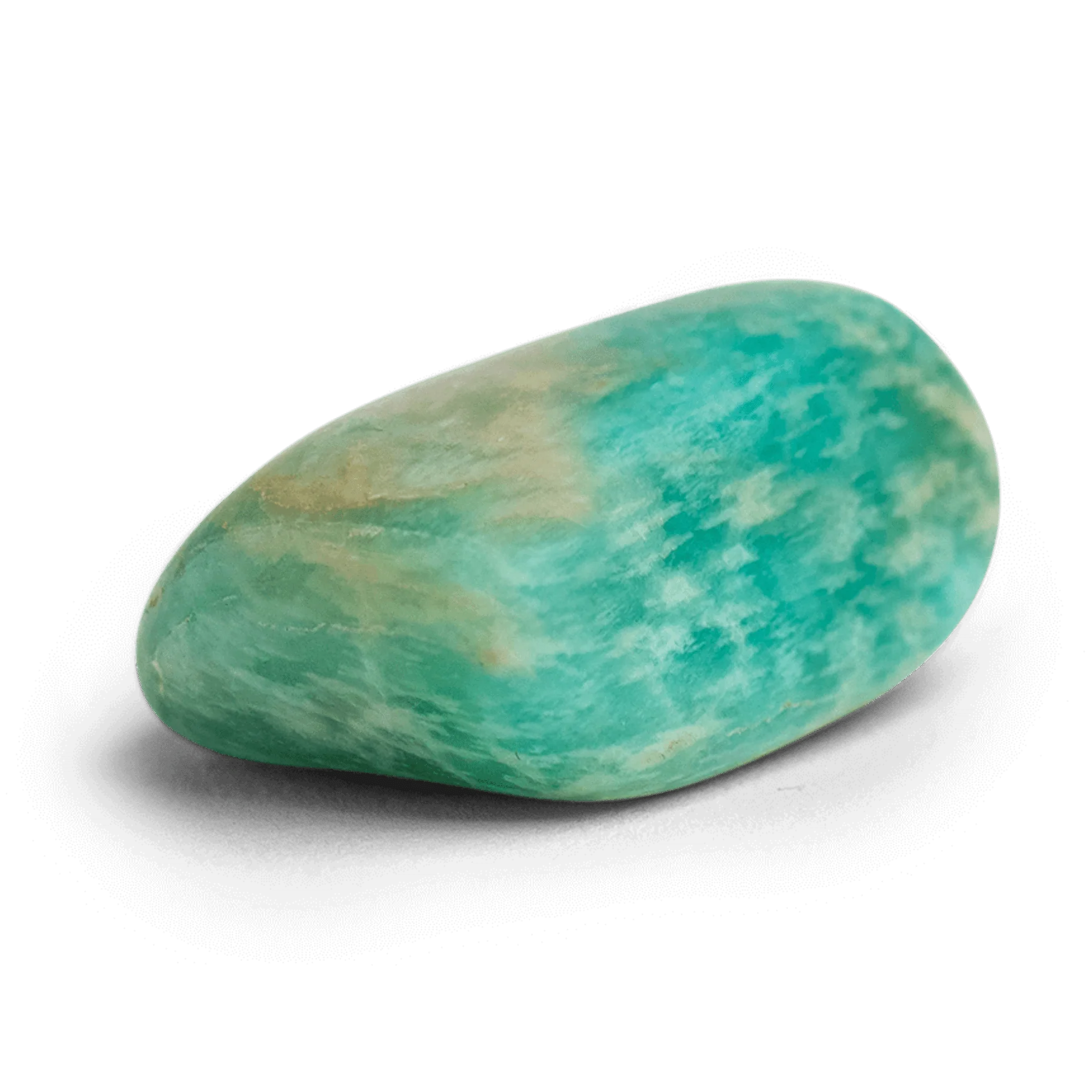
6. Amazonite – A Green-Blue Stone with an Exotic Name
Amazonite attracts attention with its fresh green to turquoise coloration, often enhanced by delicate white patterns. Although its name refers to the Amazon River, notable deposits are found far beyond South America. It is popular in jewelry-making, where it is fashioned into beads, pendants, and polished ornamental stones. The exhibition will feature amazonite from the Kola Peninsula.
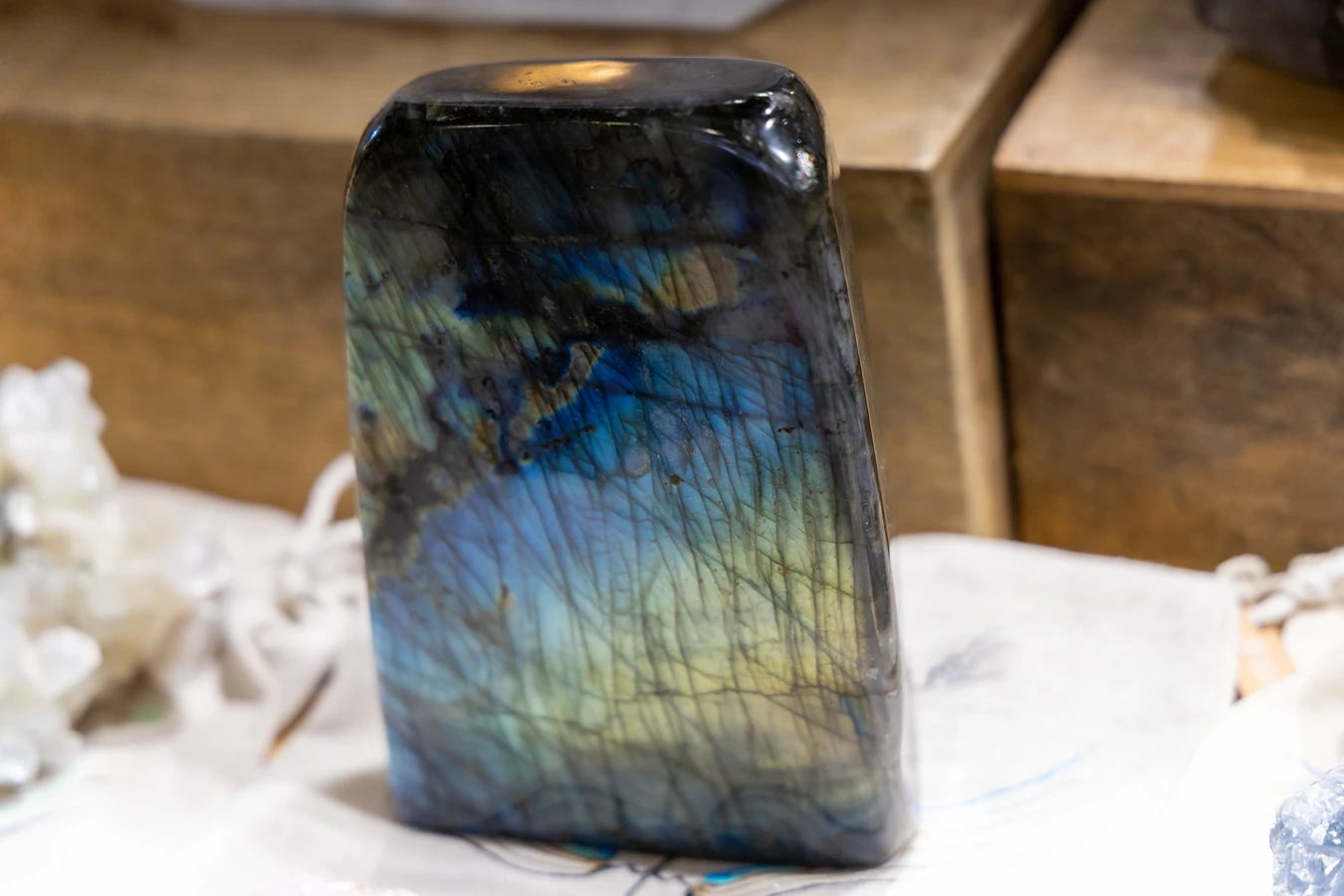
7. Labradorite – A Stone That Holds the Northern Lights
At first glance, labradorite may seem unremarkable, but when turned toward the light, spectacular flashes of blue, green, gold, and orange appear. This optical phenomenon is known as labradorescence. According to Inuit legend, the Northern Lights were once trapped within the rocks along the coast of Labrador. Today, labradorite is widely used in jewelry and is considered one of the most visually striking minerals due to its shifting colors.
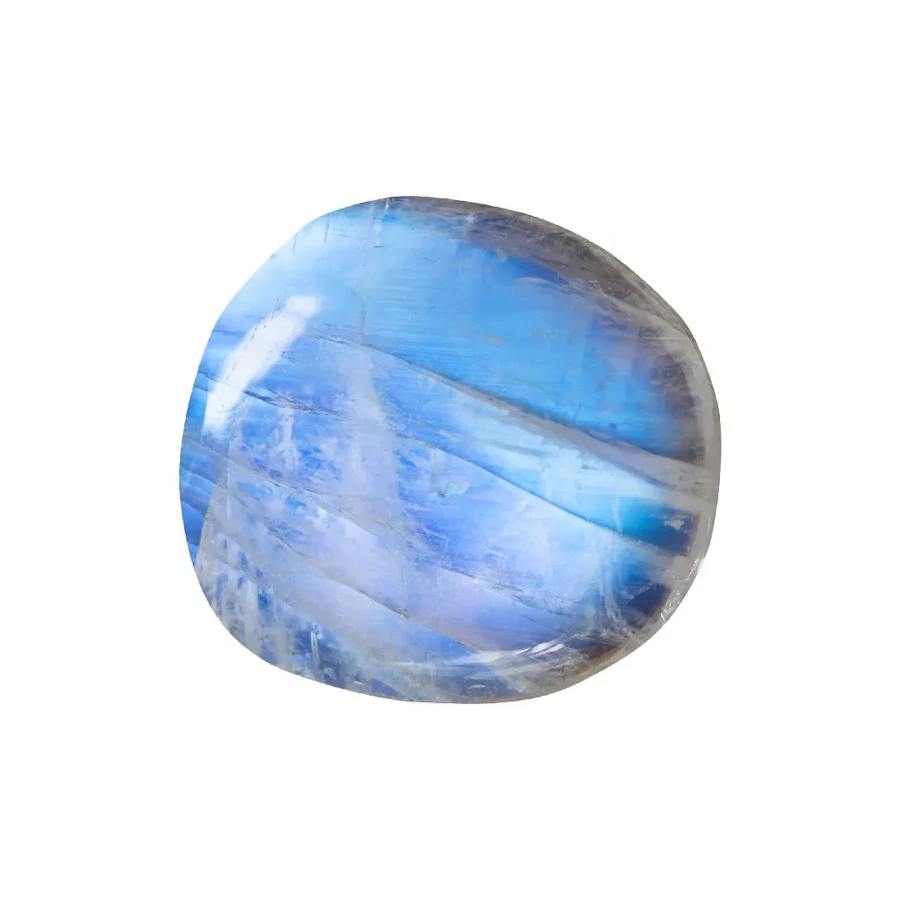
8. Moonstone – The Mystical Glow of Moonlight
Moonstone earned its name from the soft luminous effect that resembles moonlight flowing across its surface. This phenomenon is called adularescence. In several ancient cultures, moonstone was associated with the Moon and regarded as a symbol of intuition and good fortune. Today, it is valued primarily in jewelry, where its subtle, often bluish sheen is especially admired.
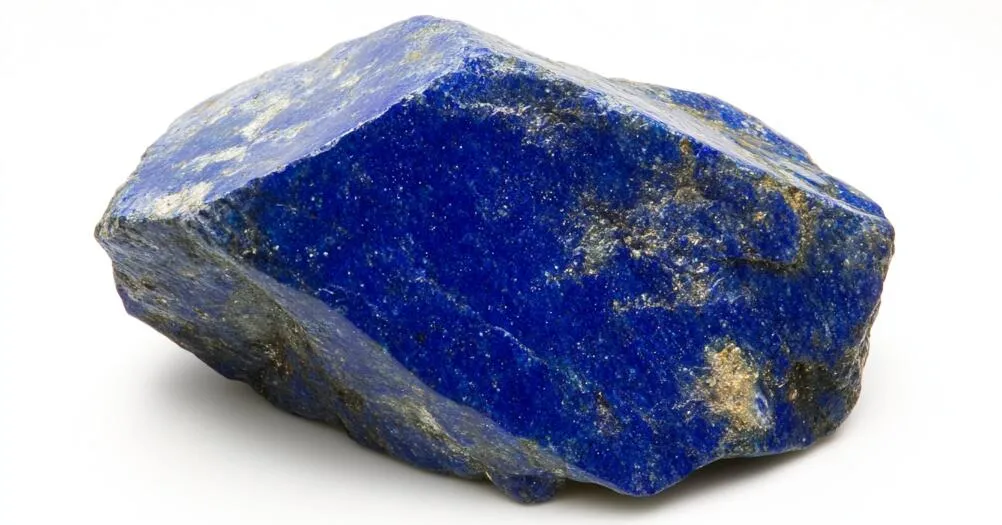
9. Lazurite – The Blue of Kings and Artists
Lazurite is the principal component of the gemstone known as lapis lazuli, which was already prized in ancient Egypt. Its deep blue color adorned jewelry, amulets, and works of art. Lapis lazuli was also used to produce the precious pigment ultramarine, which European painters employed in masterpieces, particularly for depicting the blue robes of important religious figures. This mineral beautifully connects the worlds of geology and art history.
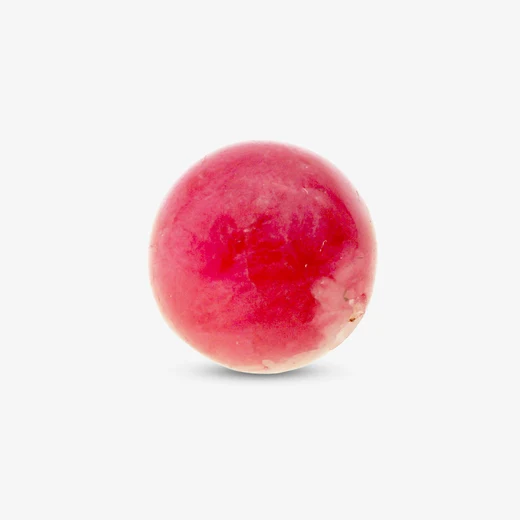
10. Tugtupite – A Stone That Can Change Color
Tugtupite is a true mineralogical rarity. Known from localities such as Greenland, this rare mineral possesses extraordinary optical properties. Under ultraviolet light, it can fluoresce intensely, and thanks to a phenomenon called tenebrescence, its color intensity can change after exposure to radiation. This remarkable ability makes it a fascinating natural curiosity. Tugtupite is popular among collectors of rare minerals and is sometimes used as an ornamental stone.
Silicates II: Much More to Discover
These ten minerals offer only a small preview of what visitors will encounter at the Silicates II exhibition. The display follows last year's first installment dedicated to silicates, the largest group of minerals on Earth.
This year's exhibition focuses on inosilicates, phyllosilicates, and tectosilicates, including zeolites. Alongside colorful gemstones and unusual crystal formations, visitors will see outstanding specimens from Czech localities such as the Vysočina Region, the České středohoří Mountains, the Čáslav area, and Horní Slavkov, as well as examples from world-famous mineral localities abroad.
Whether you are interested in gemstones, natural wonders, history, or simply the beauty of minerals, Silicates II will reveal just how diverse and surprising the hidden world beneath the Earth's surface can be.
The Silicates II accompanying exhibition can be visited during Minerals Brno 2026 in the gallery of Pavilion B at the Brno Exhibition Centre.