World Cities Day Highlights the Importance of Sustainable Development: Exhibition Venues and Events Help Cities Grow
November 2, 2026 / 7:57 AM
Every year on 31 October, the world observes World Cities Day, which was first established by the United Nations (UN) in 2014. This year’s theme, “City Renewal: Affordable Housing for All,” highlights how modern cities can respond to challenges related to housing affordability, ageing infrastructure, climate change, and social inequalities. The main programme for this year’s edition will be hosted in Fuzhou, China, where city representatives, experts, and organizations from around the world will discuss the future of sustainable urban development.
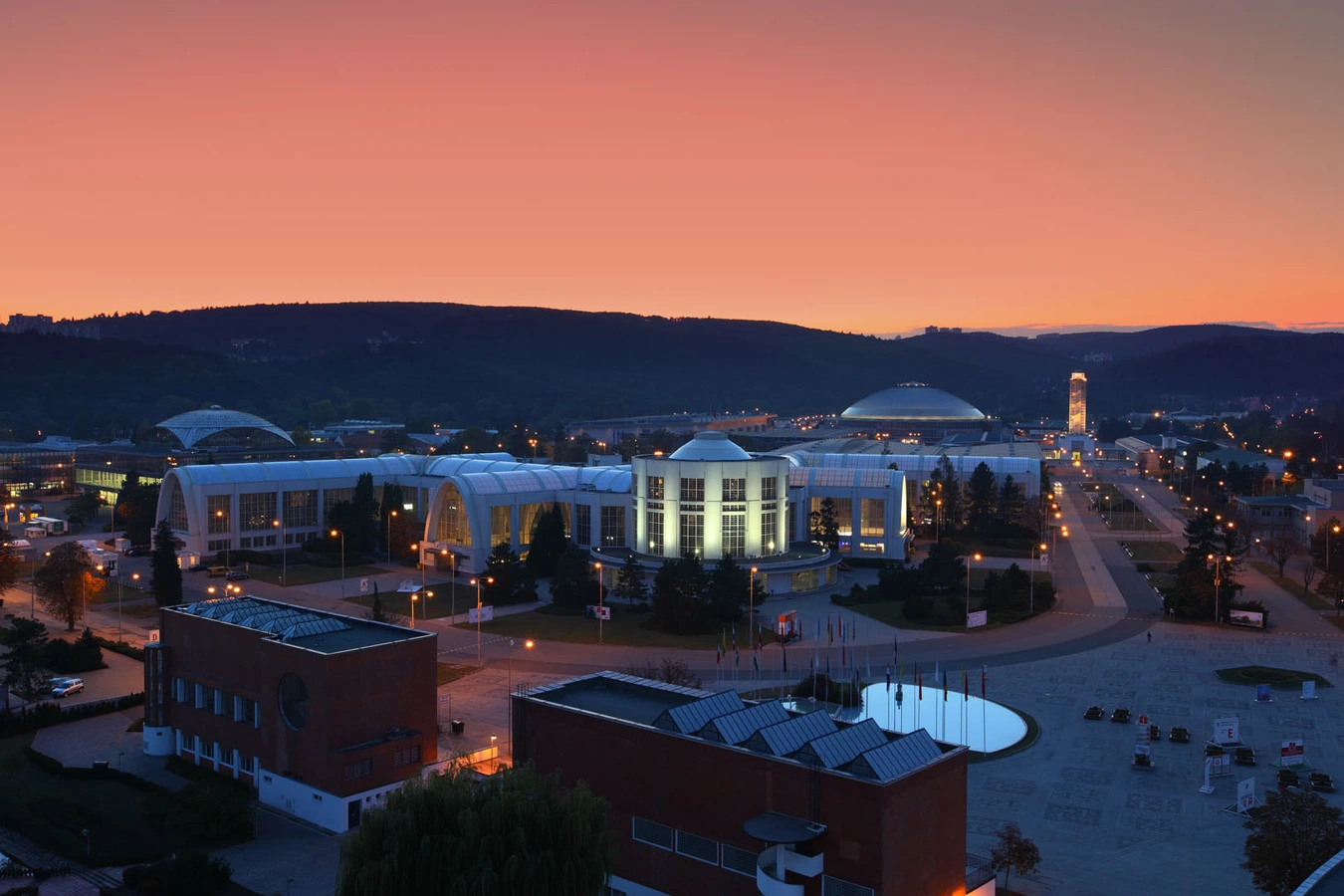
Exhibition and convention centres are important components of urban infrastructure. They are not only venues for trade fairs, conferences, and cultural events, but also serve as significant economic drivers. According to data from UFI, the global association of the exhibition industry, the international exhibition sector generates an annual economic impact exceeding €300 billion and supports millions of jobs across related industries. Every major event attracts visitors who use hotels, restaurants, transport services, and other local amenities, creating additional revenue for the local economy.
However, the contribution of exhibition venues extends far beyond economics. Cities equipped with high-quality facilities for hosting international events enjoy greater visibility, attract investment, and strengthen their competitiveness. Studies by the International Congress and Convention Association (ICCA) consistently show that business events and professional congresses promote knowledge exchange, innovation, and international cooperation. Exhibition grounds are therefore increasingly becoming places where new partnerships, business opportunities, and solutions to societal and technological challenges emerge.
Exhibition and convention centres also frequently act as catalysts for urban transformation. In many cities around the world, they have become part of large-scale urban regeneration projects that have delivered new public spaces, improved transport infrastructure, and fresh business opportunities. One example is Abandoibarra in Bilbao, Spain, where a former industrial area was transformed into a modern urban district featuring cultural and conference facilities. Similarly, Hamburg’s HafenCity project converted underutilized port areas into a vibrant neighborhood that integrates housing, services, offices, and event venues. Such projects demonstrate that facilities designed for trade fairs, congresses, and other gatherings can play an important role in the long-term development of cities and in improving residents’ quality of life.
World Cities Day is therefore not only an opportunity to discuss the future of urbanization, but also a reminder that modern cities need places where entrepreneurs, experts, institutions, and the wider public can come together. Exhibition venues and the events hosted within them are among the tools that help create vibrant, prosperous, and resilient cities for future generations.