RFID as a Digital Poka-Yoke: Preventing Errors Before They Occur
July 27, 2026 / 10:45 AM
In modern manufacturing, human error remains one of the leading causes of production delays, quality issues, and unnecessary costs. Incorrect components, mixed production orders, or wrongly dispatched pallets rarely result from negligence. More often, they are the consequence of increasingly complex production processes, a growing number of product variants, and a heavy reliance on manual verification.
Traditionally, manufacturers have depended on end-of-line inspections or final quality checks to detect errors. Today, however, more and more companies are embracing the Poka-Yoke principle—designing processes that prevent mistakes from occurring in the first place. The objective is not to identify who made an error but to ensure that an incorrect operation cannot proceed further through the process.
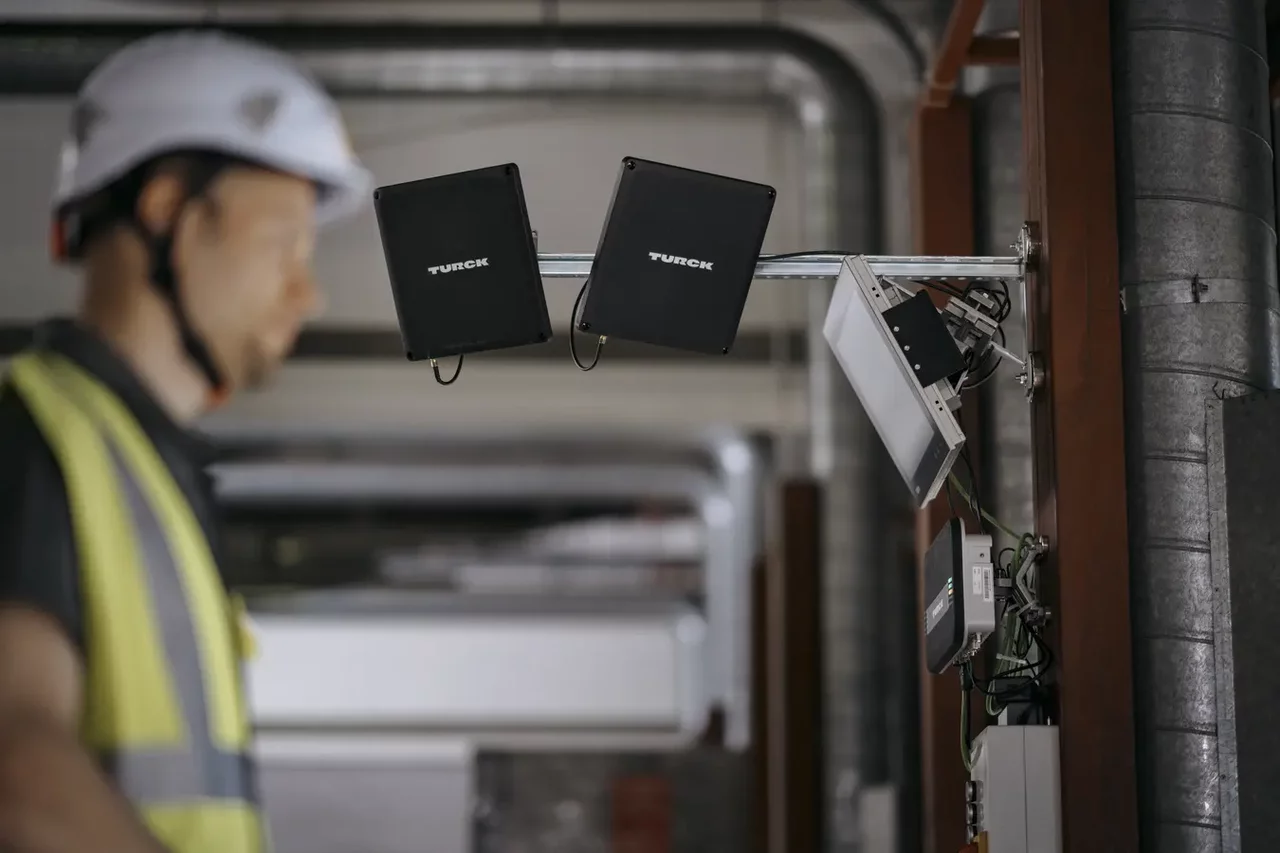
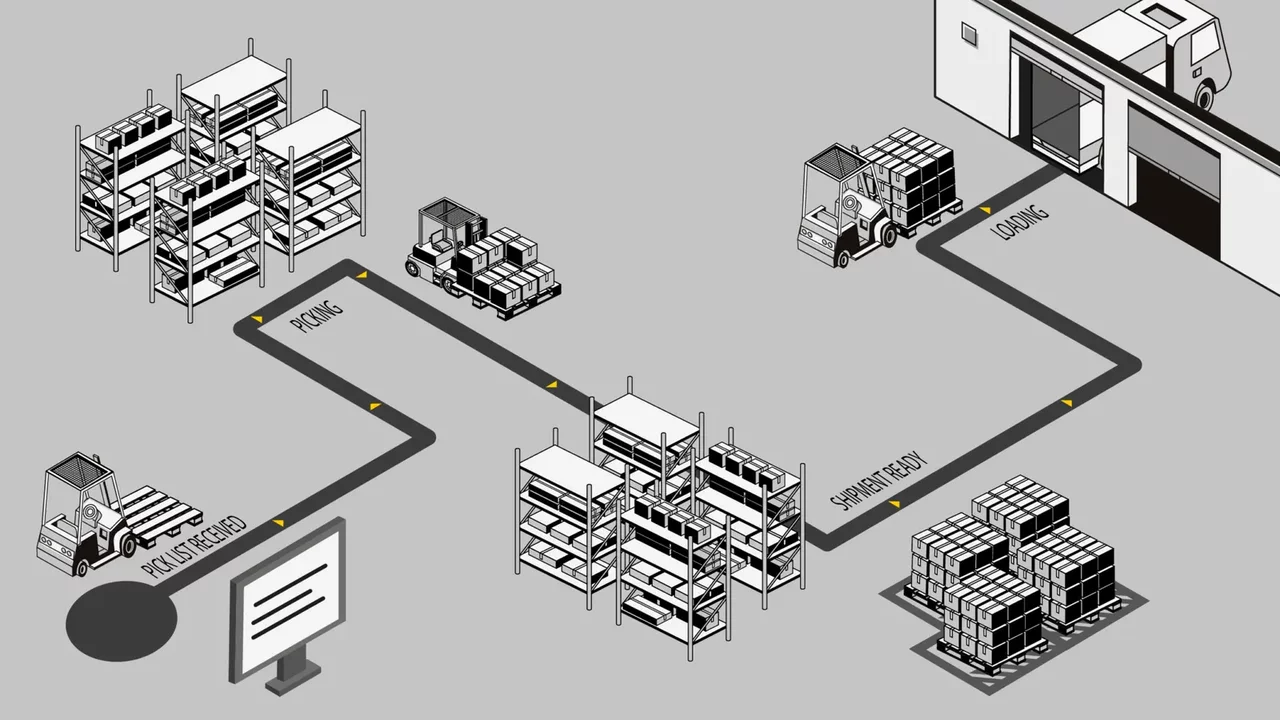
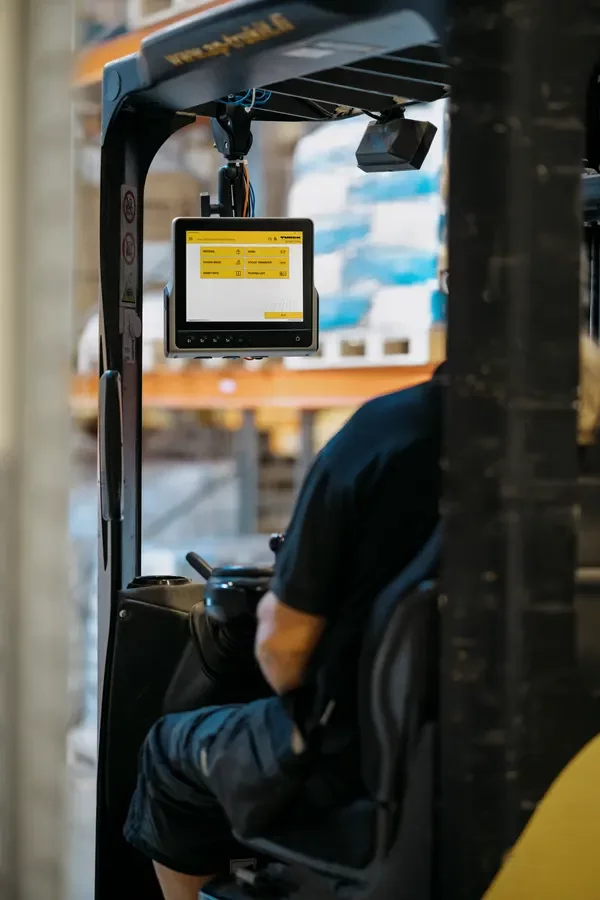
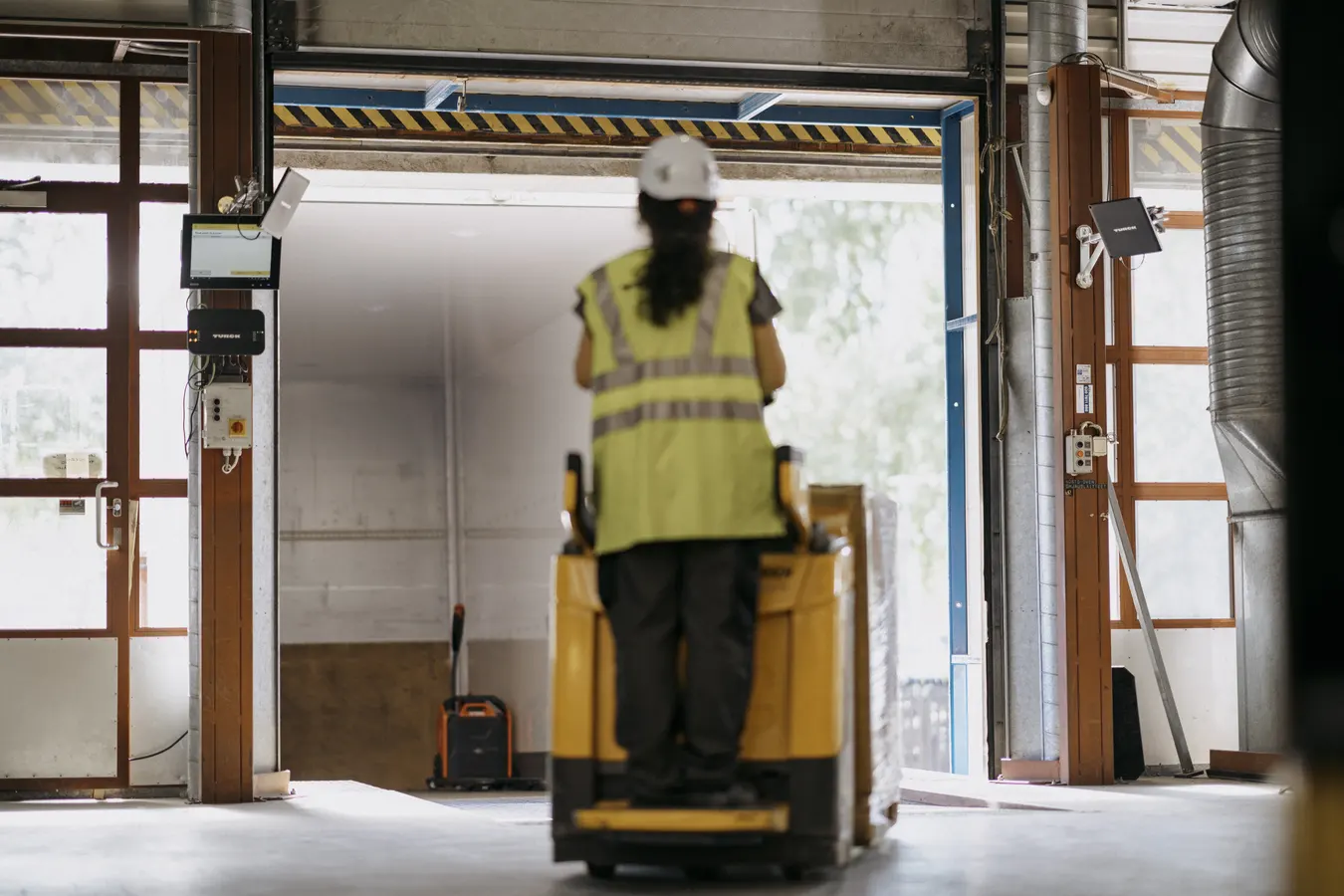
RFID-based automatic identification plays a key role in achieving this goal. Every movement of materials, components, or logistics units can be captured automatically and instantly compared with the planned production or logistics process. The system verifies in real time whether the correct part has reached the correct workstation, whether the right material is assigned to the right production order, or whether the correct pallet is prepared for shipment.
Unlike manual inspections, verification takes place automatically without adding extra tasks for operators. Whenever a discrepancy is detected, the system immediately alerts personnel and prevents the incorrect item from moving further downstream. Errors are therefore identified at the moment they occur—not during final inspection or, even worse, after the product has reached the customer.
The benefits extend far beyond reducing the number of mistakes. RFID-based process validation increases production reliability, improves coordination between warehousing, manufacturing, and shipping, and enhances confidence in the data stored in ERP, WMS, and MES systems. At the same time, it reduces manual scanning, rework, investigations, and the time spent resolving process deviations.
Solutions built on the Turck Vilant Track & Trace platform can be applied across a wide range of industrial processes—from goods receiving and warehouse operations to production line replenishment, work-in-progress tracking, shipping verification, and the management of returnable transport items. Thanks to its open architecture, the system integrates seamlessly with existing enterprise software, allowing companies to start with a focused pilot project addressing a specific operational challenge before expanding to other areas.
Industrial experience demonstrates that the greatest value of RFID lies not only in automatic identification but also in continuous process validation. Instead of detecting errors after they have already caused disruptions, manufacturers can prevent them from occurring in the first place. The result is greater process stability, improved product quality, and the confidence that the right material reaches the right place at the right time.
At MSV 2026, Turck will showcase practical RFID Track & Trace solutions that bring the digital Poka-Yoke concept to life. Visitors will discover how automated material flow validation can significantly reduce the risk of mix-ups, customer complaints, and production downtime while supporting higher quality, greater operational efficiency, and more reliable manufacturing processes.
Photo Gallery